
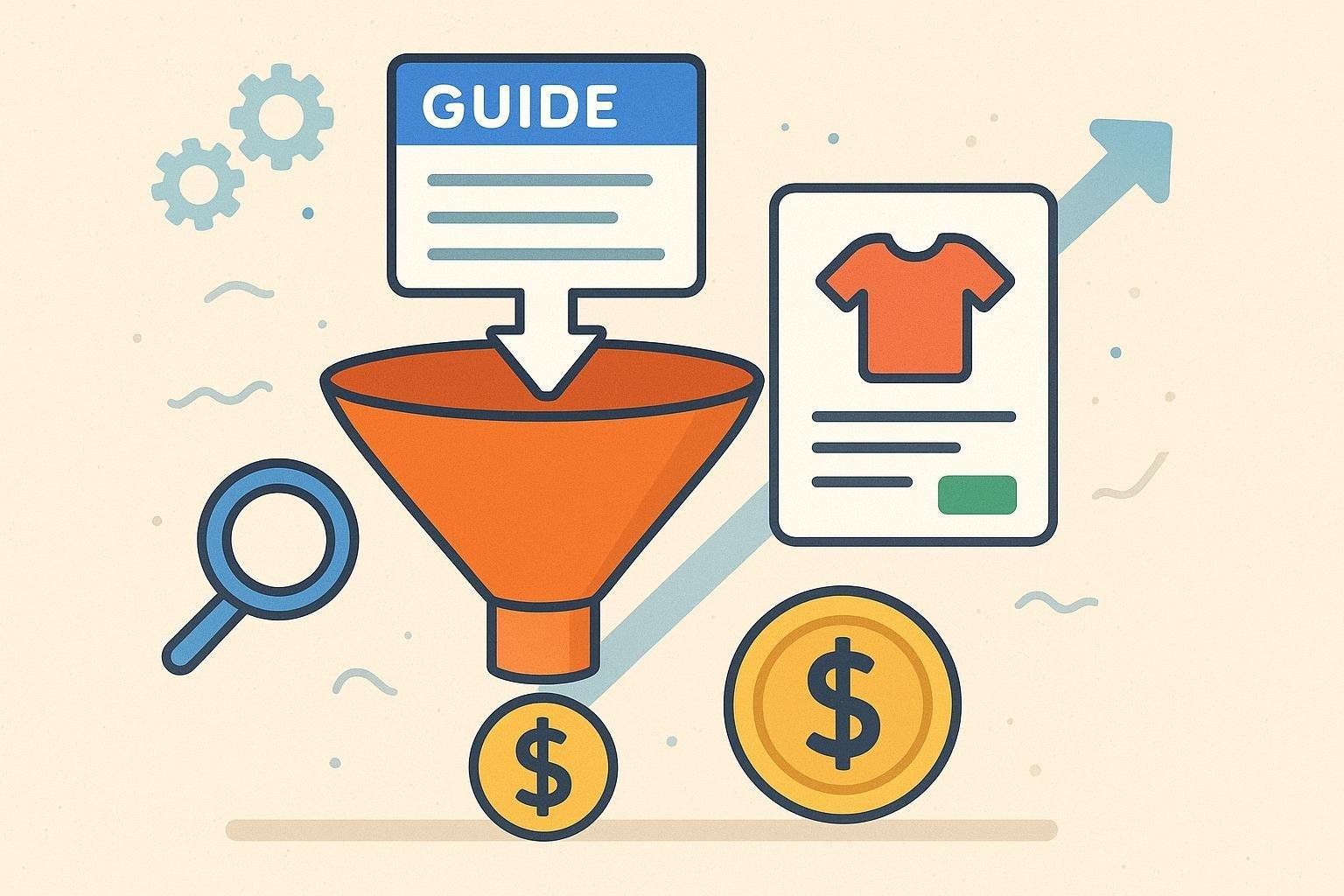
If you have an online store or are thinking of launching one, optimizing your product pages is key to increasing your visibility on Google, attracting more visitors and transforming those visits into sales. Although it may seem complicated at first, applying simple and effective SEO techniques to your product pages will allow you to stand out from the competition and multiply your conversions.
In this article you will discover how to create product pages that appeal to both users and search engines, using practical strategies that you can implement today. You will learn how to choose the right keywords, write persuasive titles and descriptions, optimize images and structure your content correctly to improve your organic positioning and maximize your business results. 
Index
- Key elements in an SEO and conversion optimized product page
- How to write effective descriptions that captivate the user and rank in search engines
- The importance of optimized images and how to use them correctly in product sheets
- Practical tips for using strategic keywords in titles and attributes
- Best practices for including ratings and reviews to increase trust and sales
- Frequently Asked Questions
- In conclusion
Key elements in an SEO and conversion optimized product page
To get a product listing that attracts organic traffic from Google and also converts visitors into buyers, you must pay attention to some key elements. These elements, well worked, will help you to improve your visibility, increase customer confidence and facilitate the purchase decision.
- Keyword-enriched title: include the specific product name, brand, model or relevant attributes (color, size, material).
- Clear and persuasive description: briefly describe the features and benefits of the product, use secondary keywords and answer possible doubts of the user.
- Attractive and optimized images: use good quality images, in different angles and contexts, and include the keyword in the alternative text (alt).
- Visible and clear pricing: highlight the price in a simple and transparent way, clearly indicating any offers or promotions.
- Calls to action (CTA): visible and eye-catching buttons with short texts such as “Add to cart”, “Buy now” or “Request information”.
Also, don’t forget to include elements that enhance trust and improve the user experience, such as verified customer reviews, comparative tables to facilitate the decision or additional information on shipping and returns.
| Element | SEO Optimization | Conversion Optimization |
|---|---|---|
| Title | Main keywords | Key attributes (brand, model) |
| Description | Secondary and long tail keywords | Clear benefits and answers to frequently asked questions |
| Images | Optimized alternative text | High visual quality, different perspectives |
| Feedback | User-generated content (UGC) | Trust and social proof |
How to write effective descriptions that captivate the user and rank in search engines
An effective description not only informs the user, but also arouses emotions and encourages purchase. To achieve this, start by identifying the needs and desires of your ideal customer, using clear, direct and benefit-oriented language. Employ short sentences and use bulleted lists to highlight the most important product features.
In addition, you should strategically include relevant keywords that your potential customers use in their searches. Place them naturally in the title, subtitles and in the first 150 characters of the text to improve your SEO positioning. Also use synonyms and related terms to increase the visibility of your listing.
Keep in mind these tips for writing optimized descriptions:
- Be specific: mention dimensions, materials, colors or key functionalities.
- Generate confidence: include guarantees, certifications or brief testimonials.
- Create urgency: use expressions such as “limited stock” or “exclusive offer”.
The importance of optimized images and how to use them correctly in product sheets
Optimized images not only improve the visual experience of your visitors, but also directly influence your SEO ranking and conversions. Keep in mind that a heavy image slows down the loading of your page, negatively affecting the user experience and reducing your chances of sales.
To make sure you are using optimized images correctly, follow these practical tips:
- Choose suitable formats: use JPG for photos and PNG for images with transparency or simple graphics.
- Reduce the weight without losing quality: use tools such as TinyPNG or ShortPixel to compress them before uploading.
- Image SEO: include relevant keywords in file names, alternative texts (ALT attribute) and descriptive titles.
- Show different perspectives: add several images of the product to improve the potential customer’s confidence and clarity.
Here is a simple example of how to correctly optimize an image for your product page:
| Appearance | Optimized example |
|---|---|
| File name | men’s-running-shoes-nike-black.jpg |
| Alternative text (ALT) | Nike men’s running shoes black |
| Recommended size | 800×800 pixels |
| Recommended weight | Less than 100 KB |
Practical tips for using strategic keywords in titles and attributes
To get the most out of your strategic keywords, you should place them naturally and effectively in key areas of your product pages. Always use the main keyword in the product title and, if possible, place it at the beginning of the title to improve your ranking. In addition, include semantic variations or relevant secondary keywords in subheadings and descriptions.
Don’t forget to optimize important attributes such as the “alt” attribute of images, which in addition to improving SEO, provides additional context to search engines about the visual content. Use short, descriptive phrases with your primary or secondary keyword, avoiding excessive repetition.
Some extra tips for the effective use of keywords:
- Naturalness: Avoid saturating titles with keywords, keep a friendly and clear wording.
- User intent: Think about how your audience searches and adapt titles and attributes to their needs.
- Differentiation: Combine keywords with terms that highlight benefits, novelties or specific solutions.
Best practices for including ratings and reviews to increase trust and sales
Customer reviews and opinions are crucial to increase the credibility and conversion of your online products. To make the most of them, follow these best practices:
- Make it easy for your customers to give their opinions: Place visible buttons and clear messages inviting them to share experiences.
- Always respond to feedback: Whether positive or negative, show that you value feedback and offer solutions when necessary.
- Show real and verified reviews: Add tags such as “verified purchase” to increase transparency and credibility.
Also, consider highlighting the most useful or top-rated reviews at the top of each product page. You can also use comparison tables to summarize reviews in a visual and attractive way:
| Aspect rated | Average score | Outstanding opinion |
|---|---|---|
| Product quality | 4.8 / 5 | “Excellent materials and finishes.” |
| Delivery time | 4.6 / 5 | “Very fast, arrived earlier than expected.” |
| Customer Service | 4.9 / 5 | “Impeccable service, they solved my doubts instantly.” |
By following these tips, you will be able to transmit confidence to your visitors and increase your conversions considerably.
Frequently Asked Questions
What does it mean to optimize a product page for SEO and conversions?
Optimizing a product page means improving the content and structure of the page to attract more traffic from search engines (SEO) and make it easier for visitors to make a purchase (conversions). It includes aspects such as keywords, images, clear descriptions and well visible purchase buttons.
Why is it important to use specific keywords in product sheets?
Using specific keywords helps search engines clearly understand what your product is about. This increases the likelihood that your product listing will appear in relevant search results, thus attracting visitors interested in buying what you offer.
How can you write an attractive and optimized product description?
To write an effective description, focus on clearly highlighting the main features and benefits of the product, using natural keywords. It is advisable to use clear and simple language that generates interest and resolves possible doubts of the user to facilitate the purchase decision.
What is the importance of images in an optimized product sheet?
Images are essential, as they allow the user to clearly visualize what they are buying. Using high quality photos, from different angles and showing relevant details, increases the user’s confidence and improves the chances of conversion.
How does the loading speed influence the optimization of the product page?
Loading speed is a determining factor for both SEO and conversions. A page that loads fast improves the user experience and reduces the abandonment rate. In addition, Google considers loading speed as a ranking factor, so optimizing it will help you appear higher in search results.
What elements help improve conversions on a product page?
Elements such as a clear and visible buy button, user testimonials or reviews, clear pricing and availability information, and transparent shipping or return options are key to improving conversions. They facilitate user trust and encourage them to complete the purchase.
How do you know if your product page is well optimized for SEO and conversions?
You can evaluate the optimization of your product pages by analyzing metrics such as organic traffic received, bounce rate, time spent on the page and conversion rate. If these indicators show positive results, it means that your page is well optimized. If not, you should review and make adjustments to its content and structure.
Is it advisable to include videos in an optimized product sheet?
Yes, including videos can bring additional value to your product page, as it allows the customer to see the product in action, better understand its functions and features, and increase confidence in their purchase decision. It also increases the time spent on the page, an aspect positively valued by Google.
How can you take advantage of reviews and opinions to improve the optimization of your product listing?
Reviews and opinions from other customers are a valuable resource for optimizing your product cards. Not only do they provide relevant and up-to-date content, but they also build trust with undecided users. Encourage your customers to leave reviews and actively respond to their comments to improve your product’s image and credibility.
Do you have to update your product sheets on a regular basis?
Yes, it is advisable to regularly update your product cards to keep the information current and adapt them to possible changes in the search algorithm or user preferences. Regularly reviewing and improving the content and structure helps to maintain your SEO positioning and achieve better conversions in the long run.
In conclusion
Optimizing your product cards correctly will not only improve your SEO positioning, but will also significantly increase your conversions. Apply the tips I have shared with you and watch how your online store starts to generate positive results.
Remember that SEO is an ongoing process that requires constant analysis and periodic adjustments. Don’t get discouraged if you don’t see immediate results; consistency is key to long-term success.
Now it’s your turn: start implementing these changes in your product cards today. Your online business has great potential, make the most of it!