If you are starting an online business or are looking to consolidate your digital presence, you probably already know that publishing quality content on a constant basis is key to attract and retain audiences. But how can you maintain that consistency without falling into improvisations or running out of ideas?
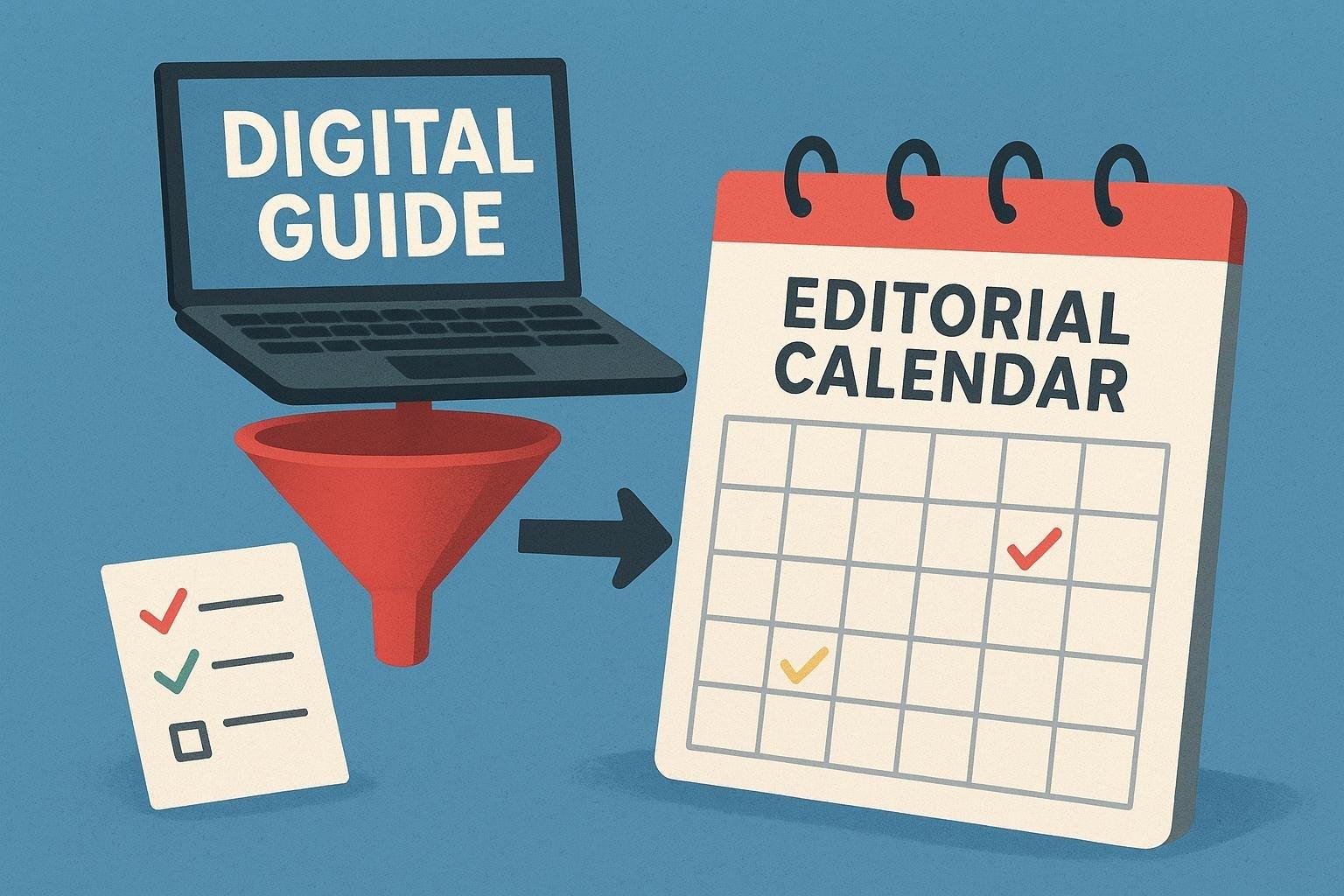
The solution lies in creating a simple and effective editorial calendar, a tool that will help you better organize your publications and achieve more consistent results. In this article I will explain step by step how to create your own editorial calendar, even if you have never done it before and have no previous experience in digital marketing.
Index
- Strategic importance of the editorial calendar in digital content creation
- Pre-analysis: how to identify relevant topics for your target audience
- Recommended tools and platforms to organize your online editorial calendar
- Practical tips for maintaining the frequency and quality of planned content
- Evaluation and adjustment of the editorial calendar according to metrics and results obtained.
- Frequently Asked Questions
- In conclusion
Strategic importance of the editorial calendar in digital content creation
Having an editorial calendar allows you to organize in advance the content you are going to publish, giving you clarity on what topics to address, when to do it and why. This way, you avoid improvisations and ensure that your content is always aligned with the strategic objectives of your digital business.
Key benefits of using an editorial calendar include:
- Consistency: Publishing regularly improves your search engine rankings and strengthens your online authority.
- Efficiency: Planning ahead saves time and resources in content creation.
- Consistency: Maintain a consistent voice and clear narrative across all your digital platforms.
In addition, a well-structured editorial calendar gives you a bird’s eye view of your content distribution, allowing you to easily identify opportunities for specific campaigns, product launches or key sales seasons for your business.
Pre-analysis: how to identify relevant topics for your target audience
Before you start creating content, you need to understand what topics really interest your audience. To achieve this, perform a previous analysis that allows you to know their specific needs, concerns and problems. This will help you better connect with them and generate attractive and relevant content.
You can use a variety of tools and methods to identify these key issues:
- Keyword analysis: With tools such as Google Keyword Planner, Ahrefs or SEMrush, find out what terms your users are searching for.
- Online forums and communities: Check platforms such as Reddit, Facebook groups or LinkedIn for frequently asked questions and popular topics.
- Competitive analysis: See what content works well for direct competitors and identify opportunities where you can provide more value or a different perspective.
Once you have this information, sort it into thematic categories according to its relevance and potential for your audience. The result will be a solid and useful foundation that will give clear direction to your editorial strategy.
Recommended tools and platforms to organize your online editorial calendar
To keep your editorial calendar organized and optimize your digital productivity, it is essential to use the right tools. There are several platforms that facilitate this task, allowing you to manage dates, topics, formats and distribution in a simple and efficient way.
Among the main recommended tools are:
- Trello: Ideal if you are looking for a visual, intuitive and easy to use option. You can create project-specific boards, assign tasks and set deadlines.
- Asana: Perfect for larger teams or complex projects. Allows you to assign responsibilities, track progress and receive automatic notifications.
- Google Calendar: A simple and free option with which you can schedule publications, events and reminders. It also integrates easily with other Google tools.
- Notion: Very versatile and highly customizable, it allows you to create databases, interactive calendars and collaborative dashboards in one place.
Below is a quick comparison of these platforms to help you choose the one that best suits your needs:
| Platform | Difficulty | Free/Paid | Integrations |
|---|---|---|---|
| Trello | Easy | Freemium | Sign up |
| Asana | Intermediate | Freemium | High |
| Google Calendar | Easy | Free | Sign up |
| Notion | Intermediate | Freemium | Media |
Practical tips for maintaining the frequency and quality of planned content
To maintain the consistency and quality of your publications, establish a clear and simple content creation process. Define in advance the main topics and subtopics, assigning specific dates for each stage: writing, revision and publication. This way, you avoid improvisations and ensure that each piece is well worked before going live.
In addition, consider implementing these practical actions:
- Use templates: Create standard templates for different types of content (articles, videos, infographics), thus streamlining your workflow.
- Define clear quality criteria: Establish specific parameters that each publication must meet (length, SEO, visual style).
- Review and adjust periodically: Analyze metrics and interaction with your audience to detect what works best and adapt your editorial calendar accordingly.
Remember that constant frequency combined with valuable content is key to position yourself as a reference, capture the attention of your audience and consolidate the authority of your online project.
Evaluation and adjustment of the editorial calendar according to metrics and results obtained.
Periodically analyzing the results obtained with your content is key to optimize your editorial calendar. Tools such as Google Analytics or Search Console allow you to identify which are the contents with more visits, more time spent or better conversion.
To make an effective adjustment, consider these actions:
- Enhance successful content: update, expand or create related content.
- Correct or discard ineffective content: review titles, keywords or formats that have not worked.
- Identify trends and opportunities: detect new interests or frequently asked questions from your audience.
The following table exemplifies how you could briefly organize your metrics to facilitate this evaluation:
| Content | Monthly visits | Average time | Recommended action |
|---|---|---|---|
| Item A | 2.500 | 4 min | Upgrade and expand |
| Item B | 350 | 1 min | Review formatting and SEO |
| Item C | 1.200 | 3 min | Create complementary content |
Perform this analysis every month or two to keep your editorial calendar aligned with the real interests and needs of your audience.
Frequently Asked Questions
What exactly is an editorial calendar and what is its main function?
An editorial calendar is a tool that allows you to plan, organize and manage the content you will publish on your online platforms, whether it is your blog, social networks or newsletters. Its main function is to help you maintain consistency, anticipate key dates, distribute your content in a balanced way and adapt your strategy in the long term.
Why is it important to have an editorial calendar in your online strategy?
An editorial calendar facilitates organization and improves the quality of the content you share. It allows you to be consistent in your publications, which generates trust and loyalty in your audience. In addition, by having a clearer vision of your content as a whole, you can better optimize your time and resources, avoiding last-minute improvisations or periods without publications.
How can you start creating an editorial calendar from scratch?
To start your editorial calendar, first clearly define your objectives and target audience. Then, identify relevant topics, special dates and events related to your industry or interest. From there, establish a realistic publication frequency according to your resources, and determine on which platforms you will share each piece of content. Finally, choose a tool (from a simple spreadsheet to specialized applications) that allows you to clearly visualize all these tasks.
What data should you include in your editorial calendar to make the most of it?
Your editorial calendar should include at least the date and time scheduled for publication, the topic or title of the content, the type of format (article, video, podcast, publication in social networks, etc.), relevant keywords, links or references, and the channel in which it will be disseminated. It is also advisable to add spaces for additional notes, production status or people in charge if you work in a team.
How often should you update or revise your editorial calendar?
The frequency of review will depend on your particular strategy and needs, but a weekly or monthly review is generally recommended. This way, you can make sure everything is aligned with your objectives, respond to unforeseen changes or adjust content according to the evolution of your audience or market trends.
How can you measure whether your editorial calendar is working properly?
To evaluate the effectiveness of your editorial calendar, you should monitor metrics related to the performance of your content, such as web traffic, social media interactions, number of subscriptions, time spent on your page or conversion rate. By thoroughly analyzing this data, you will be able to identify what type of content works best and what aspects you could improve in future planning.
In conclusion
Now that you know how to create an effective editorial calendar, it’s time to put everything you’ve learned into practice. Remember that organization and planning are key to keeping your content relevant, consistent and aligned with your business objectives.
Start step by step, stay flexible to possible changes and, above all, be consistent in your daily work. A well-managed editorial calendar will allow you to attract more visitors, build audience loyalty and boost the growth of your online business.
Good luck and success in your digital journey!