If you want to attract constant traffic and maintain your visits over time, you need to bet on evergreen content. Unlike passing trends, this type of content addresses relevant and useful topics that remain current and generate continuous interest.
By implementing effective evergreen content strategies, you will position yourself as an authority in your niche, making it easier for your audience to find you organically on search engines like Google. In this article you will discover how to create and optimize content that does not lose relevance, thus increasing your sustainable visits and boosting your digital business in the long term. 
Index
- Identifying evergreen topics relevant to your audience
- How to optimize evergreen articles to improve SEO positioning
- Keys to regularly update your evergreen content
- Recommended formats and structures for efficient evergreen contents
- Analysis and tracking of the performance of your evergreen content
- Frequently Asked Questions
- In conclusion
Identifying evergreen topics relevant to your audience
To discover the most relevant evergreen topics, you must first deeply understand your audience. Analyze their needs, concerns and frequently asked questions using tools such as Google Trends, AnswerThePublic or specialized forums in your niche.
Focus on content that is timeless, useful and of constant interest to your visitors. Some practical examples are:
- Practical guides and tutorials: how to perform a specific task step by step.
- Resource lists or tools: recommendations to help solve common problems.
- Frequently Asked Questions (FAQs): clear and detailed answers to recurring questions.
In addition, continuously monitor traffic and engagement metrics in tools such as Google Analytics or Search Console. This monitoring will allow you to identify which evergreen content works best and which you should periodically optimize or expand. 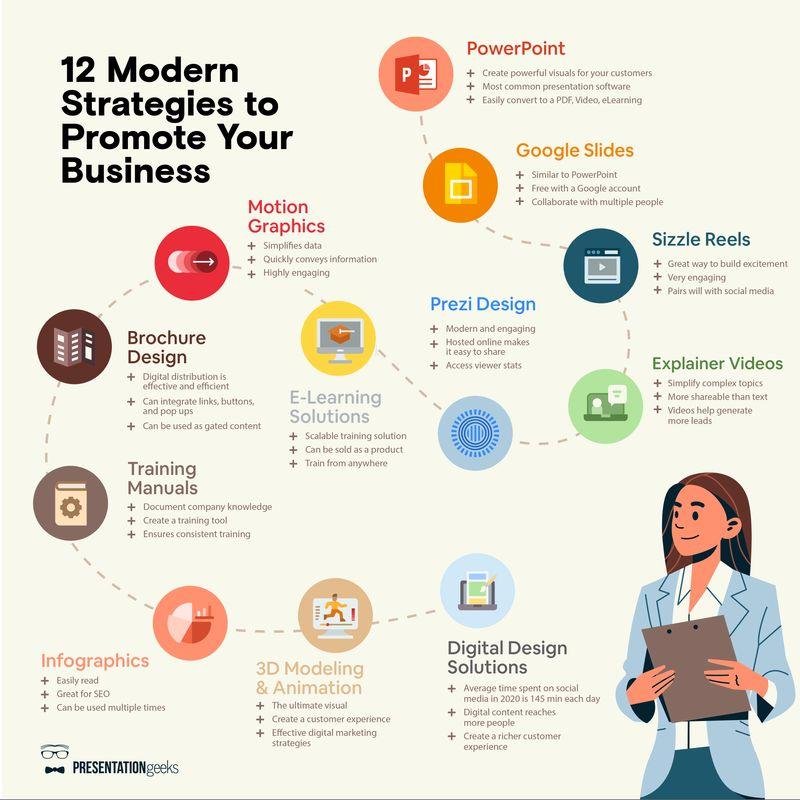
How to optimize evergreen articles to improve SEO ranking
To optimize your evergreen articles and boost your SEO in the long run, start by regularly updating your content. Review data, statistics and examples every six months to make sure they remain current and relevant. Google appreciates frequently updated content, which will help you maintain high rankings in search results.
Also, be sure to improve the internal structure of the article with clear formatting to facilitate reading and crawling by search engines. Implement these key actions:
- Use headings and subheadings (H2, H3) with related keywords.
- Add lists and tables to summarize useful information in a visual way.
- Include internal links to other pages on your website that add value.
- Optimize images by adding descriptive alternative texts.
Finally, don’t forget to periodically analyze the performance of your evergreen articles. Use SEO tools such as Google Search Console or SEMrush to identify opportunities for improvement and new relevant keywords that you can incorporate.
Keys to regularly update your evergreen content
Regularly updating your evergreen content is essential to maintain its relevance and ensure that it continues to attract consistent traffic over time. To optimize this process, set up a regular schedule (e.g. every 3 to 6 months) in which you review and update your most popular articles with fresh information, updated statistics and new practical examples.
Also, pay attention to your readers’ comments and frequently asked questions. These interactions often reveal recurring doubts or aspects that you could improve in your content. Some key actions to keep your content fresh are:
- Check and update links: Make sure all internal and external links are still working properly.
- Add new formats: Integrate explanatory videos, infographics or comparative tables to facilitate understanding.
- Optimize keywords: Periodically verify that the keywords used are still relevant and have a good search volume.
| Recommended frequency | Type of content | Main actions |
|---|---|---|
| Every 3 months | Popular articles | Update statistics and links |
| Every 6 months | Complete guides and tutorials | Add new visual formats |
| Annual | Listings and compilations | Keyword Optimization |
Recommended formats and structures for efficient evergreen contents
To create effective evergreen content that attracts constant traffic, it is key to use proven structures and formats that facilitate reading and provide lasting value. Among the most recommended formats are:
- Definitive guides: explain step by step how to solve a specific problem, e.g. “Definitive guide to create your first online store”.
- Practical listings: present useful resources or tools, such as “10 essential plugins for your WordPress website”.
- Detailed comparisons: analyze pros and cons of different products or services, helping the reader to make informed decisions.
- Step-by-step tutorials: clearly describe each step of a specific process, making implementation easier for the user.
In addition, a good practice is to clearly structure your content with headings (H2, H3), lists and tables, which facilitate understanding and allow you to quickly scan the information. Here is a simple example of a WordPress-style comparison table that you can use in your blog:
| Evergreen Format | Main Advantage | Sample Theme |
|---|---|---|
| Definitive guides | Provides complete and detailed information | How to create effective Facebook Ads campaigns |
| Practical listings | Easy to read and quick to consume | 15 free tools for digital entrepreneurs |
| Comparisons | Helping to make purchasing decisions | Shopify vs WooCommerce: Which one to choose? |
By applying these formats and structures, you will make it easier for your audience to find constant value in your content, thus increasing loyalty and repeat visits to your website.
Analyzing and tracking the performance of your evergreen content
To ensure that your evergreen content maintains its effectiveness over time, it is essential that you perform constant analysis and monitoring. Use tools such as Google Analytics or Search Console to identify which posts are generating the most traffic and which may need optimization.
Analyze key metrics such as:
- Monthly organic traffic: observe if your content maintains or increases its number of visits.
- Bounce rate: make sure that users stay on your page, which indicates relevance and quality.
- Average time on page: measure the interest generated by the content and adjust your texts to improve this metric.
Conduct periodic reviews every three months and update those items that show declining performance. For ease of tracking, create a simple table where you can record this information:
| Article | Monthly visits | Bounce rate (%) | Average time | Actions to be performed |
|---|---|---|---|---|
| Basic SEO Guide | 1.200 | 45% | 03:45 | Check internal links |
| Online business ideas | 950 | 61% | 02:20 | Add updated examples |
With this systematic monitoring, you will improve the quality of your evergreen content, keeping it relevant and attracting consistent traffic in the long term.
Frequently Asked Questions
What exactly is evergreen content?
Evergreen content is content that remains relevant and useful to readers over time, regardless of trends or specific dates. It is content that continues to generate interest and visits months or even years after its publication.
Why is it important to include evergreen content in your marketing strategy?
This type of content allows you to maintain a steady flow of visitors in the long term, increasing your online visibility and improving your search engine rankings. It also reduces the need to constantly generate new content to attract traffic.
What are some common examples of evergreen content?
Some common examples are how-to guides, tutorials, key definitions, frequently asked questions about your industry, lists of useful resources, ongoing tips or educational articles on topics that never go out of date.
How can you identify evergreen topics that are right for your audience?
The key is to research which questions or problems are constantly repeated among your target audience. Use keyword tools, check forums or social networks and keep in mind those frequent topics that do not lose relevance over time.
Is it necessary to update evergreen content on a regular basis?
Although evergreen content tends to remain relevant for a long time, it is advisable to review it periodically to ensure that the data and links are still correct, and thus maintain the trust and interest of readers.
What techniques can you use to optimize your evergreen content for search engines?
You should use clear and attractive titles, relevant keywords, structured headings and accurate meta descriptions. In addition, include internal and external links that provide additional value to the reader.
How can you promote your evergreen content to get better results?
You can share it periodically on social networks, include it in newsletters or bulletins, add it to featured pages on your website and link to it in other related articles to increase its visibility and reach.
What are the long-term benefits of developing evergreen content?
Among the main benefits are the constant increase of web traffic, strengthening of your authority in your sector, savings in content creation costs and the generation of trust among your audience due to the sustained quality and relevance of the information you offer.
In conclusion
Now that you know the keys to creating effective evergreen content, it’s time to start putting these strategies into practice. Remember that success does not come overnight; it requires consistency, analysis and continuous optimization.
If you manage to keep your content relevant, updated and useful for your audience, you will get constant visits and a loyal community that will boost your digital business. It’s time to take the first step and start building your solid and lasting online presence!