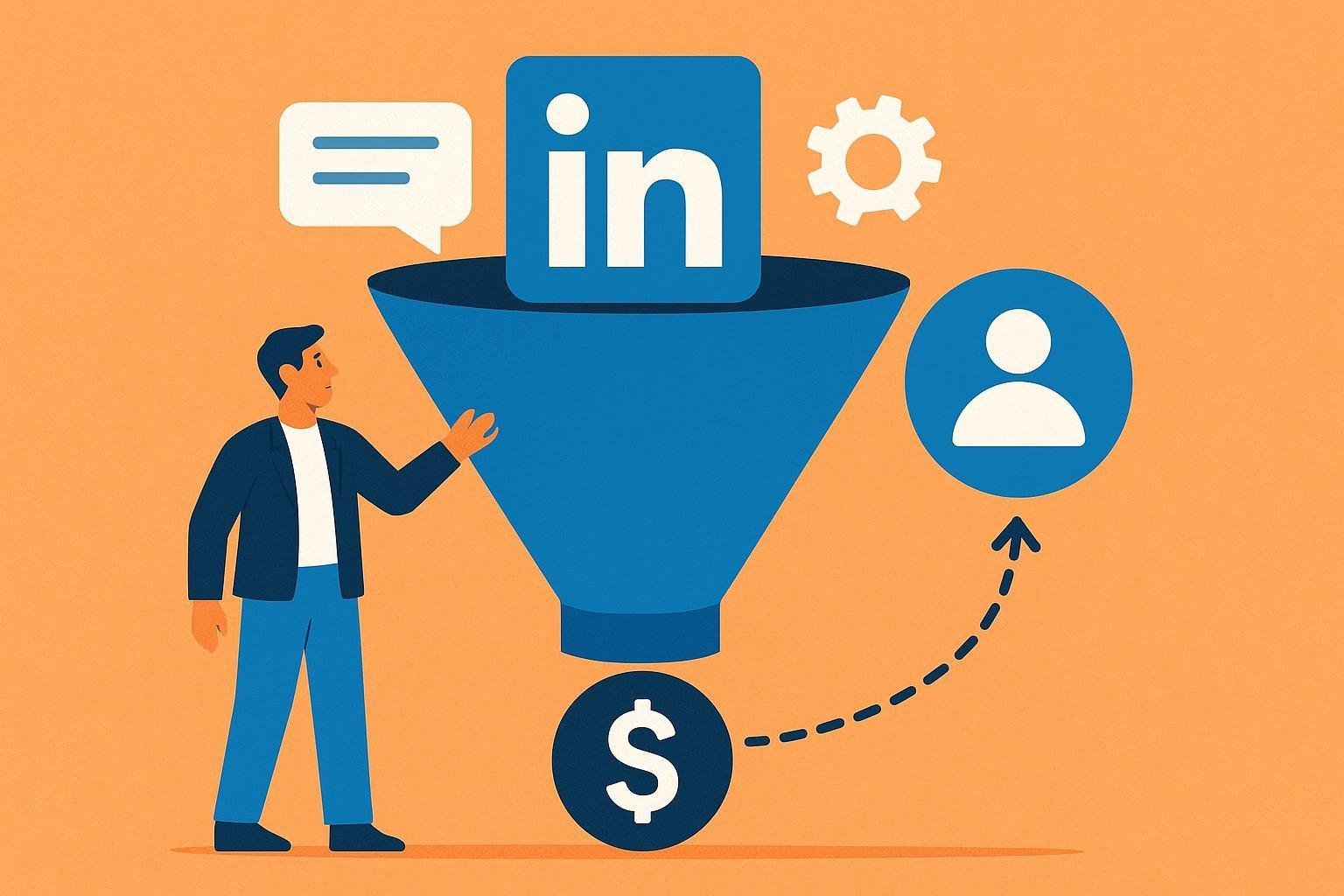
LinkedIn has established itself as the most effective platform for positioning your professional brand and connecting directly with highly qualified B2B clients. With more than 950 million users worldwide, this social network is an essential showcase to highlight your value proposition and generate solid business opportunities.
If you learn how to optimize your profile, create relevant content and establish strategic relationships, you can turn LinkedIn into a powerful customer acquisition tool. In this article you will discover the key steps to position your brand correctly and attract B2B customers consistently, without any prior knowledge of digital marketing. 
Index
- Optimize your corporate LinkedIn profile to stand out to B2B customers
- How to design strategic content that generates interaction and trust
- Effective strategies for expanding your professional network and capturing business opportunities
- The key role of professional groups on LinkedIn to increase your visibility
- Measure and adjust your strategy: key indicators to evaluate your success on LinkedIn
- Frequently Asked Questions
- In conclusion
Optimize your corporate LinkedIn profile to stand out to B2B customers
Your corporate profile on LinkedIn is your letter of introduction to potential B2B clients. To optimize it, make sure you take care of every detail and clearly convey what solutions you offer and how you can add value to the companies that visit you.
Key elements to optimize your profile:
- Professional image: Use a quality photo, with good lighting and neutral background.
- Attractive title: Clearly describe your value proposition, avoiding generic titles such as “manager” or “founder”.
- Strategic statement: Briefly highlight your experience, results achieved and how you can help your B2B customers.
Also, customize your LinkedIn URL with your company name or your own name to make it easier to be found in external searches. Also add multimedia content such as presentations, corporate videos or success stories that reinforce your credibility and professionalism to the companies that visit you.
How to design strategic content that generates interaction and trust
To generate interaction and trust on LinkedIn, you must create content aligned with the specific interests and challenges of your target audience. It’s not just posting for the sake of posting, but offering real value that invites users to engage and build a relationship with you.
Some particularly effective formats on LinkedIn are:
- Real case studies: Explain briefly how you solved a specific problem for a client (always respecting confidentiality).
- Practical and actionable tips: Publish short lists, quick guides or tips that can be easily applied by your contacts.
- Personal or professional stories: Share learning, mistakes or authentic experiences that show closeness and transparency.
Always remember to add a clear call to action at the end of your posts, inviting your contacts to comment, share their opinion or visit your website for more information. This strategic approach not only improves your visibility, but also consolidates your authority and builds trust in your brand.
Effective strategies for expanding your professional network and capturing business opportunities
To effectively expand your professional network on LinkedIn, it is essential to share valuable content that demonstrates your expertise and authority in your industry. Regularly publish short articles, practical tips or success stories that generate interest among your target contacts. Use visual formats such as infographics or short videos to increase interaction and visibility.
In addition, join relevant industry groups where you can actively participate by commenting on publications, answering questions and providing concrete solutions. This will allow you to connect directly with potential B2B clients and position yourself as a reference in your industry.
It complements these actions with strategic techniques to capture commercial opportunities:
- Clearly define your value proposition: state how you help solve specific problems.
- Personalize connection invitations: briefly explain why you want to connect and what benefits you can bring.
- Ask for recommendations and validate your skills: it increases credibility and confidence in your profile.
The key role of professional groups on LinkedIn to increase your visibility
Participating in professional groups on LinkedIn is one of the most effective strategies for reinforcing your authority and connecting with potential clients. By joining relevant groups in your industry, you have direct access to key conversations, can provide value through helpful comments and share content that highlights your expertise.
To get the most out of these groups, follow these recommendations:
- Select active groups: look for communities with participative members who share relevant content on a regular basis.
- Provide value: answer questions, share useful knowledge and avoid excessive self-promotion.
- Connect strategically: establish direct connections with influential members who can become customers or strategic collaborators.
Consistency and quality in your participation will not only increase your visibility but will also position you as a reference in your sector, making it easier for potential B2B clients to come to you in search of solutions.
Measure and adjust your strategy: key indicators to evaluate your success on LinkedIn
To know if your LinkedIn strategy is working properly, you need to analyze certain key indicators that will help you make the right decisions. These metrics allow you to evaluate your progress and adjust your plan according to the results obtained.
Some essential indicators that you should periodically review are:
- Visibility and reach: Number of profile views and publications.
- Interaction rate: Likes, comments and shares on your posts.
- Growth of contacts: New connection requests and followers obtained.
- Lead generation: Number of contacts interested in your products or services.
You can use a simple table to record these indicators on a monthly basis and observe how they evolve:
| Indicator | Previous month | Current month | Variation (%) |
|---|---|---|---|
| Profile displays | 320 | 450 | +40% |
| Average interactions per publication | 12 | 20 | +67% |
| New contacts | 18 | 30 | +67% |
| Leads generated | 4 | 9 | +125% |
Analyze these results and make adjustments to content, frequency or communication style. Remember that the key is to continuously test, measure and optimize to achieve solid growth on LinkedIn.
Frequently Asked Questions
How can LinkedIn help you position your brand and attract B2B customers?
LinkedIn is an especially effective platform for B2B businesses because it connects directly with business professionals and decision makers. By using it strategically, you can increase your brand visibility, demonstrate your expertise in your industry and establish valuable relationships that generate business opportunities.
What aspects should you take into account when optimizing your LinkedIn profile?
It is important to take care of several key elements: a clear professional photograph, an attractive headline that makes clear what you do, and a detailed summary where you show your value proposition. Also, include relevant keywords so that your profile appears in searches related to your sector.
How can you create content that attracts leads on LinkedIn?
To attract B2B customers on LinkedIn, offer relevant and useful content to your target audience. Post articles, videos or infographics that solve specific problems or provide value to the companies you want to reach. Keep your tone professional and oriented to the needs and interests of your potential customers.
Why is interaction important and how should you interact with your network for better visibility?
Interaction is key to positioning your brand on LinkedIn, as it generates visibility and fosters relationships. Actively participate by commenting on others’ posts, respond to comments on your posts, join groups in your industry and contribute constructively. This will help you establish your authority and expand your professional network.
What are the best practices for building effective business relationships on LinkedIn?
To build strong business relationships, personalize your connection requests and private messages, focusing first on providing value and building trust. Avoid a purely commercial approach from the first contact. Instead, show genuine interest, offer useful content and establish authentic connections before proposing a partnership or sale.
How can you measure if your LinkedIn strategy is working to engage B2B customers?
You can measure the success of your strategy by analyzing metrics such as the number of profile views, interactions on your posts, connection requests and, especially, the number of valuable contacts you have managed to establish. Also, periodically check if you are getting direct business opportunities derived from your activity on the platform.
In conclusion
Effectively positioning your brand on LinkedIn is a key strategy to attract B2B customers and boost the growth of your online business. By applying these tips, you can strengthen your digital presence and generate valuable opportunities.
Remember that LinkedIn rewards consistency, quality and authentic interaction. Invest time in creating relevant content, connecting with professionals in your industry and participating in strategic conversations.
Now it’s your turn: start today to optimize your profile, share content and add value to your professional network – your next client could be waiting for you on LinkedIn!