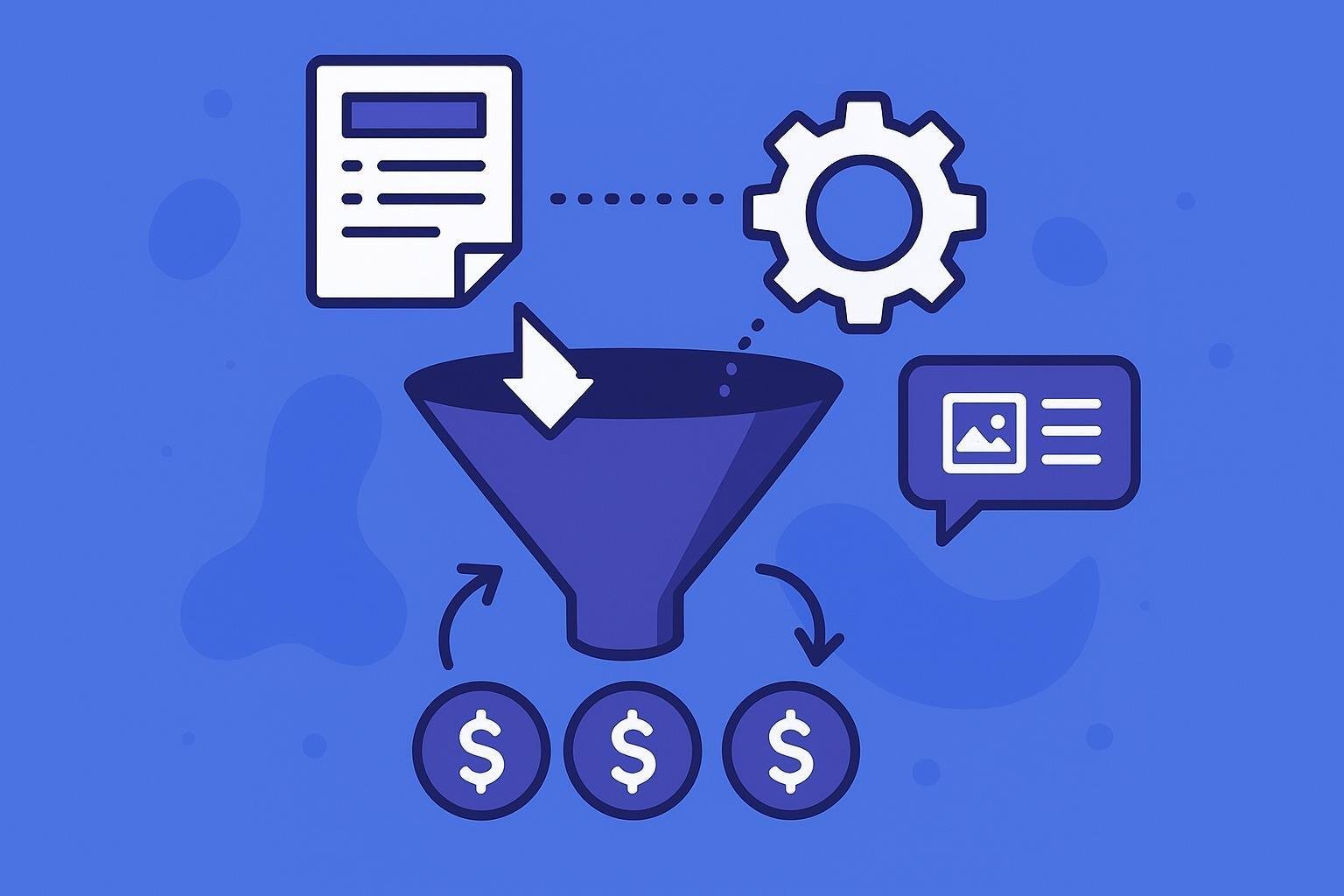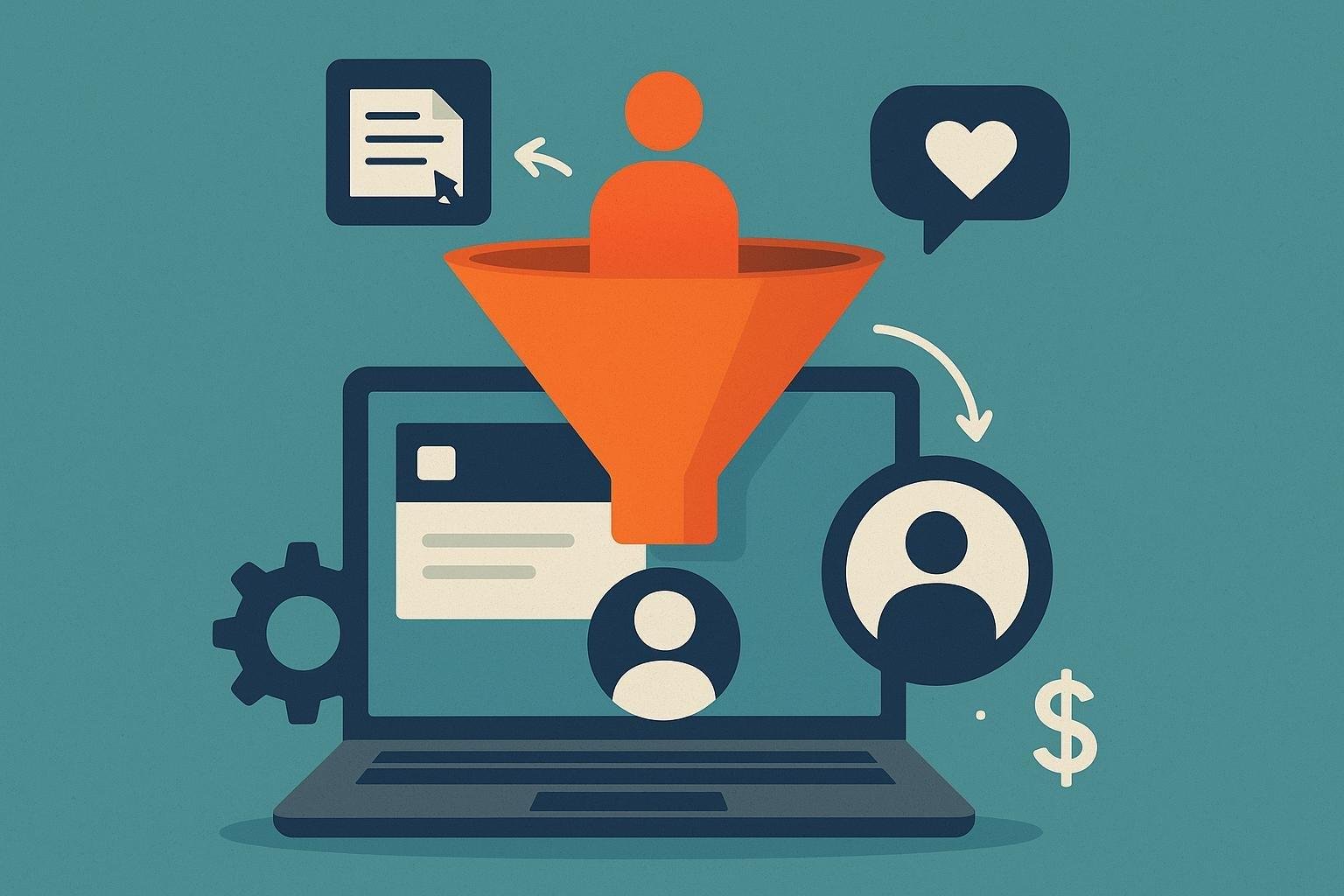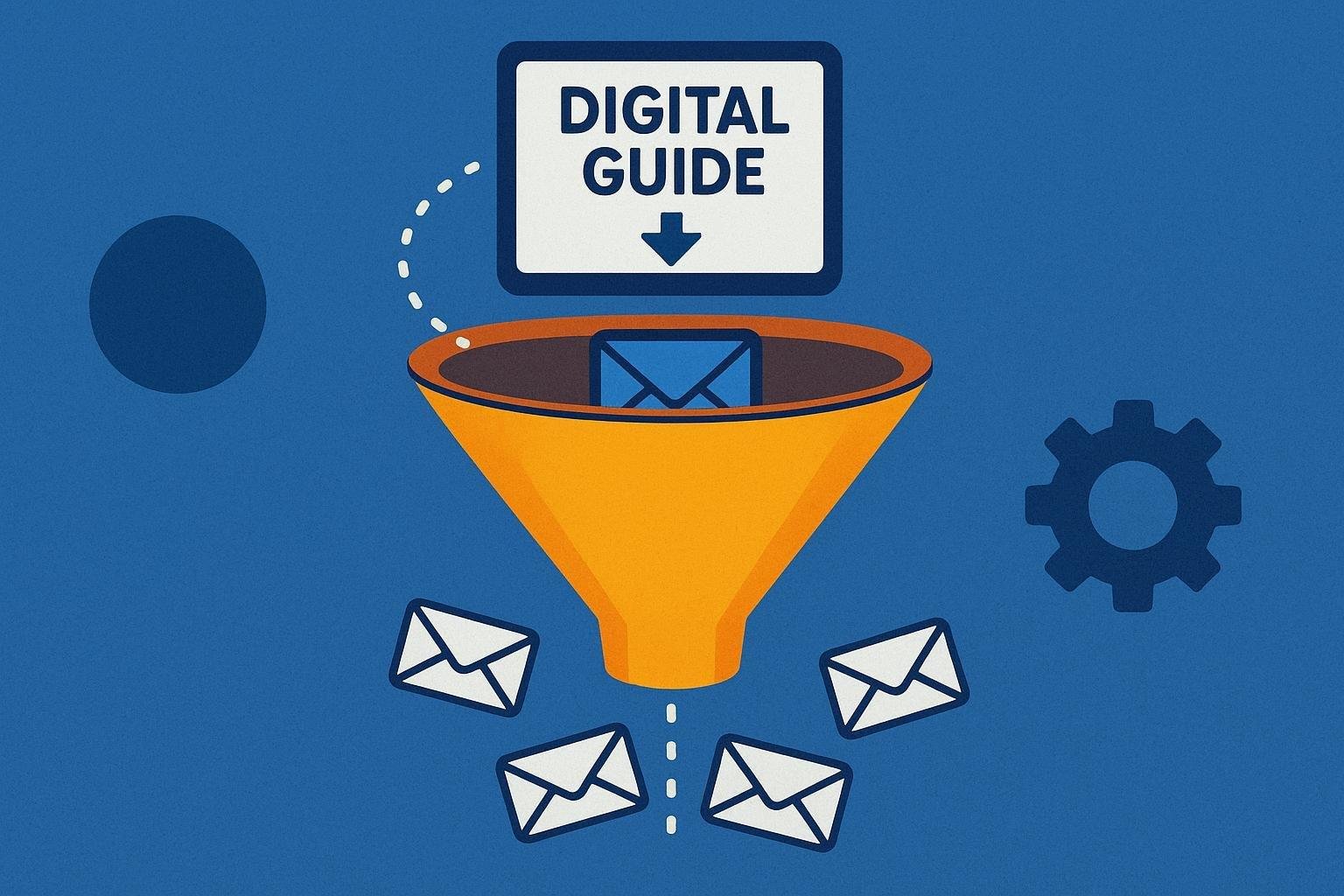

If you are looking to scale your online business effectively, automating your sales funnel is key to saving time, optimizing resources and increasing your revenue. By implementing automated processes, you will be able to capture leads, nurture relationships with potential customers and convert sales without the need to be constantly on the lookout.
In this article you will discover the fundamental keys to successfully automate your sales funnel, even if you have no prior knowledge of digital marketing or programming. You will learn how to apply practical tools and strategies that will allow you to capture, convert and retain customers efficiently and easily. 
Index
- Clearly identify the key stages of your funnel before automating
- Select automation tools suited to your type of business
- How to create effective automated sequences to capture and nurture leads
- Practical tips for personalizing the customer experience in automated funnels
- Constantly measure and optimize your results to improve conversion
- Frequently Asked Questions
- In conclusion
Clearly identify the key stages of your funnel before automating
Before you start automating any process in your funnel, it is essential that you are clear about the stages that compose it. This means identifying exactly the path your potential customer follows from the moment he discovers your brand until he finally makes a purchase. The most common stages are usually:
- Attraction: When you capture the customer’s attention through valuable content, advertising or social networks.
- Interest: Moment in which the user is curious about your product or service and looks for more information.
- Conversion: The key phase in which the customer takes action (purchase, registration or subscription).
- Loyalty: Subsequent strategies to keep your customer active, satisfied and generating new sales.
By clearly defining these stages, you will be able to identify precisely which processes are best to automate. For example, you can automate specific email marketing campaigns for each stage or implement retargeting tools that recover interested users who did not complete their purchase. Once you master this structure, your funnel will be much more efficient, scalable and optimized. 
Select automation tools suited to your type of business
To choose the right tools, you must first clearly identify your business needs and the type of funnel you want to automate. For example, if you sell courses or online training, platforms like ActiveCampaign or ConvertKit are ideal for their advanced features in contact management, email automation and precise segmentation. On the other hand, if you have an online store or do e-commerce, solutions like Klaviyo or Mailchimp integrated with your CMS (Shopify or WooCommerce) will be more suitable, as they allow you to automate transactional emails, abandoned carts and personalized recommendations.
Below is a comparative table that can help you decide according to your business:
| Type of business | Recommended tool | Key benefits |
|---|---|---|
| Online Training | ActiveCampaign, ConvertKit | Advanced automation, powerful segmentation |
| E-commerce | Klaviyo, Mailchimp | Direct integrations, abandoned carts |
| Professional Services | HubSpot, Sendinblue | Integrated CRM, easy automation |
Also consider key factors such as ease of use, available budget and future scalability. In short, the perfect tool will be the one that suits your specific objectives, simplifies repetitive processes and allows you to focus on strategic business tasks.
How to create effective automated sequences to capture and nurture leads
For your automated sequences to be effective, you must know your audience well and segment them according to their interests and behaviors. Clearly define what information you need to collect from the beginning to offer personalized content according to the stage of the funnel in which the lead is. Some key actions you can automate are:
- Welcome email: introduce your brand and set expectations.
- Educational content: delivers ongoing value through tips, guides or tutorials.
- Targeted offers: launch tailored promotions based on the user’s previous interactions.
In addition, use automation tools such as ActiveCampaign, Mailchimp or ConvertKit to manage and optimize your campaigns. These platforms allow you to create intuitive visual flows, measure the effectiveness of each email and quickly readjust your strategies according to the results obtained.
| Tool | Ease of use | Integrations | Advanced segmentation |
|---|---|---|---|
| ActiveCampaign | High | Multiple | Yes |
| Mailchimp | Very High | Multiple | Limited |
| ConvertKit | High | Multiple | Yes |
Practical tips for personalizing the customer experience in automated funnels
To differentiate yourself in a crowded marketplace, your automated funnel must offer a personalized experience, tailored to the specific preferences and needs of each lead. Segment your audience according to interests, behaviors or specific stages of the funnel, and use this information to send consistent, relevant messages that generate connection.
Some practical ways to customize your automated funnel are:
- Dynamic emails: Use personalized tags to address the customer by name and send content tailored to their specific interests.
- Conditional content: Displays offers or information based on previous interactions or pages visited by the user.
- History-based recommendations: Suggests complementary products or products related to previous purchases, thus increasing the probability of conversion.
Don’t forget to continuously measure the results of these actions using analytical tools to adjust and optimize the automation. The more personalized your approach, the more likely you are to build user loyalty and achieve recurring conversions.
Constantly measure and optimize your results to improve conversion
To constantly improve the performance of your sales funnel, it is essential that you measure the key actions of your users with analytical tools such as Google Analytics or Facebook Pixel. This will allow you to quickly identify where the weak points are and make effective adjustments.
Some fundamental aspects that you should measure are:
- Conversion rate: percentage of visitors who perform the desired action.
- Cost per acquisition (CPA): how much money you invest to get each customer.
- Cart abandonment: users who add products but do not complete the purchase.
- Average time on page: how much time the user spends consuming your content.
Once you have this data collected, establish hypotheses for improvement and test different elements such as titles, texts, images or calls to action (CTA). Use A/B tests to compare results and make decisions based on real data, not intuition or personal preferences.
Frequently Asked Questions
What does it mean to automate a sales funnel and why is it important to do so?
Automating your sales funnel consists of using technological tools to efficiently and automatically manage the different stages of the sales process. This is important because it allows you to save time, reduce errors, improve the customer experience and increase the probability of closing sales.
How can you identify which parts of your funnel need automation?
To identify which parts of your funnel need automation, analyze your current sales process and see where bottlenecks, repetitive tasks or frequent errors occur. Areas such as lead nurturing, sending follow-up emails or appointment management often benefit greatly from automation.
What are some recommended tools to automate your sales funnel?
There are several tools that can help you automate your sales funnel, among them HubSpot, ActiveCampaign, Salesforce, Mailchimp and Pipedrive. The choice will depend on your specific needs, budget and level of complexity required.
How does automation affect the customer experience?
Automation can dramatically improve the customer experience by providing fast, personalized and timely responses. By automating key communications, such as follow-ups, reminders or relevant information, you provide your customers with consistent and coherent attention, generating greater trust and satisfaction.
What are the most common mistakes when starting to automate a sales funnel?
Some common mistakes when automating your sales funnel include wanting to automate absolutely everything from the start, using tools that are too complex without prior training or neglecting the personalization and relevance of automated messages. It is important to start gradually, evaluate results and adjust your strategy according to the results obtained.
What metrics should you consider to evaluate the effectiveness of your automated funnel?
To evaluate your automated funnel, consider metrics such as conversion rate, average time in each stage of the funnel, number of leads generated, email open and click-through rates, and customer satisfaction. These metrics will allow you to determine if the automation is working properly or if you need to make adjustments.
Is it possible to maintain personalization when automating your sales funnel?
Yes, it is possible to maintain personalization by automating your sales funnel. Many platforms offer advanced features to segment audiences, create personalized messages based on customer behavior patterns and preferences, ensuring that your automated communications are relevant and effective.
How can you start implementing automation in your sales funnel?
To start implementing automation, first clearly define your current goals and processes. Then, select a tool that suits your needs and start automating simple, repetitive tasks. Continually monitor results, make incremental improvements and expand automation to other parts of your funnel when you are ready.
In conclusion
Automating your sales funnel is a key step to scale your digital business and multiply your results, freeing up valuable time that you can reinvest in strategic tasks. Remember that automation is not a static process, but a dynamic task that requires constant evaluation to optimize its effectiveness.
Now that you know the fundamental keys, it’s time to put them into practice. Start with small actions, measure results and adjust your strategies progressively.
If you apply these tips with patience and dedication, you will soon enjoy an efficient, automated and results-oriented funnel. And most importantly, you will have more time and energy to focus on what really matters, growing your online business.