Did you know that, according to numerous studies, about 70% of online shopping carts are abandoned before the transaction is completed? This problem directly affects your profitability, but you can solve it with effective remarketing strategies.
In this article, you’ll discover how to implement proven techniques to recover those abandoned shopping carts and turn frustrated visitors into satisfied customers. You’ll learn how to take advantage of simple yet powerful tools that will significantly increase your sales and improve the user experience on your online store. 
Index
- Common Reasons for Cart Abandonment and How to Address Them Effectively
- Optimizing the Delivery of Personalized Emails to Recover Lost Sales
- The Strategic Use of Dynamic Ads Targeted at Undecided Users
- How to Implement Specific Discounts and Promotions to Boost Conversions
- The Importance of Social Media Remarketing in Strengthening Purchase Intent
- Frequently Asked Questions
- To conclude
Common Reasons for Cart Abandonment and How to Address Them Effectively
Shopping cart abandonment usually occurs for reasons that are easy to resolve, such as unexpected shipping costs, overly complex checkout processes, or a lack of trust in the platform. To address these issues, you should make sure to provide clear information about total costs from the start and offer fast checkout processes with guest checkout options.
In addition, trust is key. Boost your website’s credibility by displaying SSL certificates, customer testimonials, and clear return policies. It’s also a good idea to use effective techniques such as:
- Automated emails: personalized reminders with purchase incentives.
- Dynamic remarketing ads: targeted advertising based on products viewed.
- Push notifications: messages sent directly to a user’s browser or mobile device to re-engage them.
| Common Sense | Practical solution |
|---|---|
| Hidden Costs | Transparency from the Start |
| Complex Process | Fast and easy payment |
| Skepticism About the Store | Display security seals and customer reviews |

Optimizing the Delivery of Personalized Emails to Recover Lost Sales
Sending personalized emails at the right time significantly increases the chances of recovering lost sales. To optimize these email campaigns, it’s essential to use specialized tools like MailChimp or ActiveCampaign, which allow you to automate campaigns based on specific user behaviors.
Create a short but effective sequence, for example:
- Email 1 (1 hour after abandonment): A friendly reminder about the abandoned shopping cart.
- Email 2 (24 hours later): A discount or special offer to encourage a purchase.
- Email 3 (72 hours later): Final reminder about the offer’s expiration.
In addition, personalize each message with the recipient’s name, the specific products they left in their cart, and related recommendations. Don’t forget to include clear and direct calls to action to make it as easy as possible for the user to complete their purchase.
The Strategic Use of Dynamic Ads Targeted at Undecided Users
One of the keys to getting undecided users to complete their purchase is the smart use of dynamic ads. These ads allow you to show exactly the products the customer left in their cart, creating a visual reminder that significantly increases the chances of conversion. In addition, you can personalize your message by using persuasive phrases such as “Don’t miss out!” or “Only a few left! ”
To get the most out of this strategy, consider the following points:
- Activation time: Schedule your ads to appear within the first 24 hours after a user abandons their cart.
- Segmentation: Apply specific criteria, such as products viewed or cart value, to improve the relevance of the message.
- Frequency: Limits the number of times an ad is shown to avoid overwhelming the user and causing them to become turned off by it.
Below is an example of a recommended configuration for dynamic ads based on the user’s stage of indecision:
| Stage of Indecision | Recommended timeframe | Suggested message |
|---|---|---|
| Initial (first few hours) | 1–6 hours | “Did you forget something? Your cart is waiting for you.” |
| Intermediate | 6–24 hours | “Hurry up! The product is almost sold out.” |
| Final (24 hours or more) | 24–72 hours | “Last chance: Enjoy an exclusive discount.” |
How to Implement Specific Discounts and Promotions to Boost Conversions
An effective strategy for recouping those potential sales is to offer targeted discounts tailored to user behavior. For example, you can send an automated email offering a personalized discount coupon a few hours after a user abandons their cart. Some effective options include:
- Limited-time discount: “Complete your purchase today and get an additional 10% off, valid for the next 24 hours.”
- Free Shipping: “Place your order now and enjoy free shipping on all products.”
- Bulk Purchase Offer: “Add a second item and get 20% extra on your total order.”
To maximize the effectiveness of these promotions, segment your offers based on specific criteria such as cart value, product type, or the user’s purchase frequency. Remember to test different types of promotions and measure the results to find out which incentives drive the highest conversion rates among your audience.
| Segment | Recommended Promotion | Ideal shipping time |
|---|---|---|
| Orders over €100 | 10% instant discount | 1 hour after checkout |
| New Customers | Free shipping | Within 2–4 hours after checkout |
| Returning Customers | Special Volume Offer | Within the next 24 hours |
The Importance of Social Media Remarketing in Strengthening Purchase Intent
When a user abandons their cart, it doesn’t always mean they’ve lost interest in your products. Usually, they just need a reminder or a little incentive to complete the purchase. This is where social media remarketing comes into play, allowing you to show personalized ads directly on their favorite platforms.
With an effective remarketing strategy, you can offer specific benefits that encourage users to complete their purchase, such as:
- Exclusive discounts: Offer a time-limited coupon to encourage immediate purchase.
- Free Shipping: Highlight the benefit of free shipping to reduce resistance to spending.
- Visual reminders: Use eye-catching images of the abandoned product to rekindle the customer’s initial interest.
Remember that the key to success is to personalize your campaigns as much as possible. Segment your ads based on user behavior and the time elapsed since the user left the site to significantly increase your conversions.
Frequently Asked Questions
What is remarketing, and how can it help you recover abandoned shopping carts?
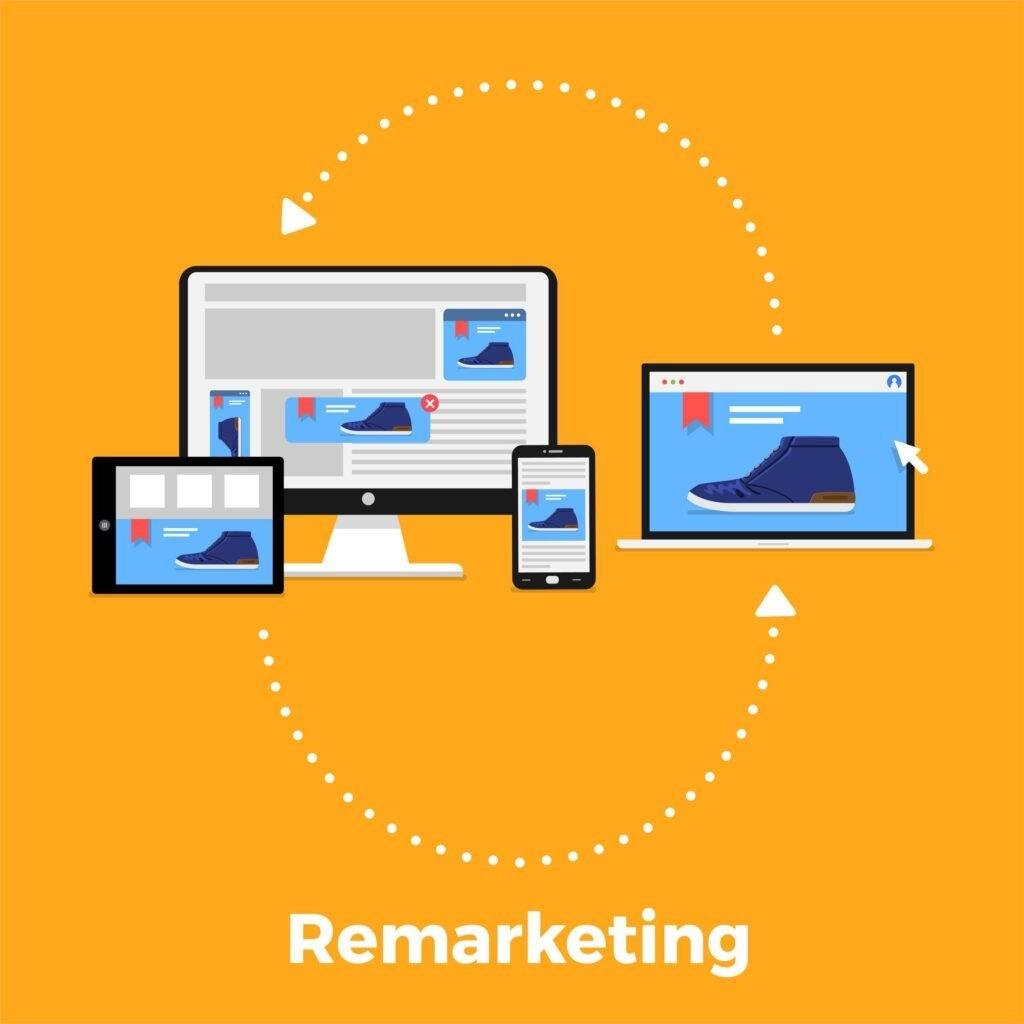
Remarketing is a digital marketing strategy that allows you to re-engage users who visited your website but did not complete a purchase with personalized ads. This is especially useful for recovering abandoned shopping carts, as it reminds users of the products they were interested in and makes it easier for them to return and complete their purchase.
What are the main reasons customers abandon their shopping carts?
Among the most common reasons are unexpected costs, such as high shipping fees or additional charges; complicated or overly lengthy checkout processes; a lack of clear product information; or limited payment options. Identifying these causes will help you improve your checkout process and reduce cart abandonment.
How can you implement remarketing campaigns to recover abandoned shopping carts?
To run effective campaigns, you first need to identify users who abandoned their carts and segment them based on their behavior. Next, you design personalized ads that are displayed on various platforms, such as Google Ads, social media, or email. These ads typically include reminders about abandoned products, special promotions, or limited-time discounts to encourage users to complete their purchase.
What role does email play in remarketing strategies?
Email is an essential tool for remarketing. You can send automated emails minutes or hours after a customer abandons their cart, providing clear reminders about the product they left behind. Including incentives, such as time-limited discounts or free shipping, can significantly increase conversion rates.
How long should you wait before sending an abandoned cart recovery email?
There’s no hard-and-fast rule, but it’s a good idea to send the first reminder email within the first few hours after the cart is abandoned. The faster you act, the better your chances of winning the customer back. You can then send additional follow-up emails in the days that follow, tailoring the content and message based on the user’s response.
How can you measure the effectiveness of a remarketing campaign for abandoned carts?
To measure effectiveness, it’s important to analyze metrics such as email open and click-through rates, conversions generated by specific ads, return on investment (ROI), and the percentage of abandoned carts recovered. These metrics allow you to continuously optimize your strategies and improve your results.
What recommendations can you follow to continuously optimize your remarketing campaigns?
Regularly analyze the data collected from your campaigns to identify which messages, timing, and formats perform best. Conduct A/B tests with different versions of ads and emails to understand which elements drive the most conversions. Also, be sure to personalize your messages as much as possible, tailoring them to users’ behavior and preferences to increase their effectiveness.
To conclude
Now that you know the key strategies for recovering those abandoned shopping carts, it’s time to put them into practice and optimize your online sales process.
Remember that every abandoned shopping cart you recover can mean a loyal customer and increased revenue for your business; don’t let this valuable opportunity slip away.
If you have any questions or would like to learn more about a specific aspect of remarketing, leave a comment below and I’ll be happy to help you.
We wish you every success on your journey toward digital transformation!