When you decide to take the leap into the digital world, it is essential that your online marketing actions are directly aligned with the strategic objectives of your business. It is not enough to be present on the Internet; each campaign, content or action you implement must have a clear and defined purpose to obtain tangible results.
By understanding how to properly integrate your digital marketing strategy with your business goals, you can maximize your return on investment and optimize your resources. In this article, I will guide you step-by-step to learn how to connect your online presence with your business objectives to achieve solid and sustainable growth. 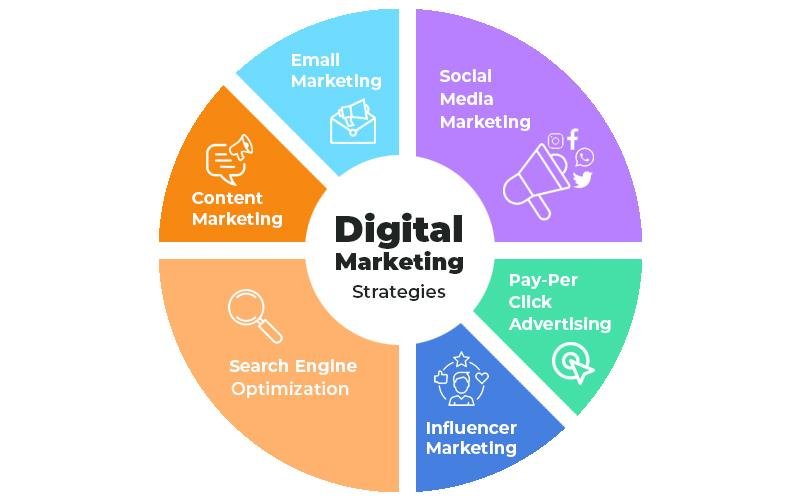
Index
- Clear definition of business objectives to guide the digital strategy
- Detailed analysis of the target audience and their online behavior
- Selection and optimization of digital channels aligned with business objectives
- Key indicators to measure the effectiveness of online marketing and adjust strategy
- Practical recommendations for maintaining strategic alignment over the long term
- Frequently Asked Questions
- In conclusion
Clear definition of business objectives to guide the digital strategy
Before launching into the digital world, you must clearly define your specific business objectives. To do this, start by setting specific, measurable and realistic goals that will allow you to periodically evaluate whether your online actions are producing the expected results.
For example, your objectives might include:
- Increase online sales by 20% in the next 6 months.
- Capture 1,000 new subscribers to your newsletter in the next 3 months.
- Increase web traffic by 30% in the next 12 months.
Remember that establishing these clear objectives will allow you to focus your efforts, select the most appropriate digital tools and make strategic decisions based on real data. Defining precise goals is the first step in building a solid digital strategy that will drive real growth for your business. 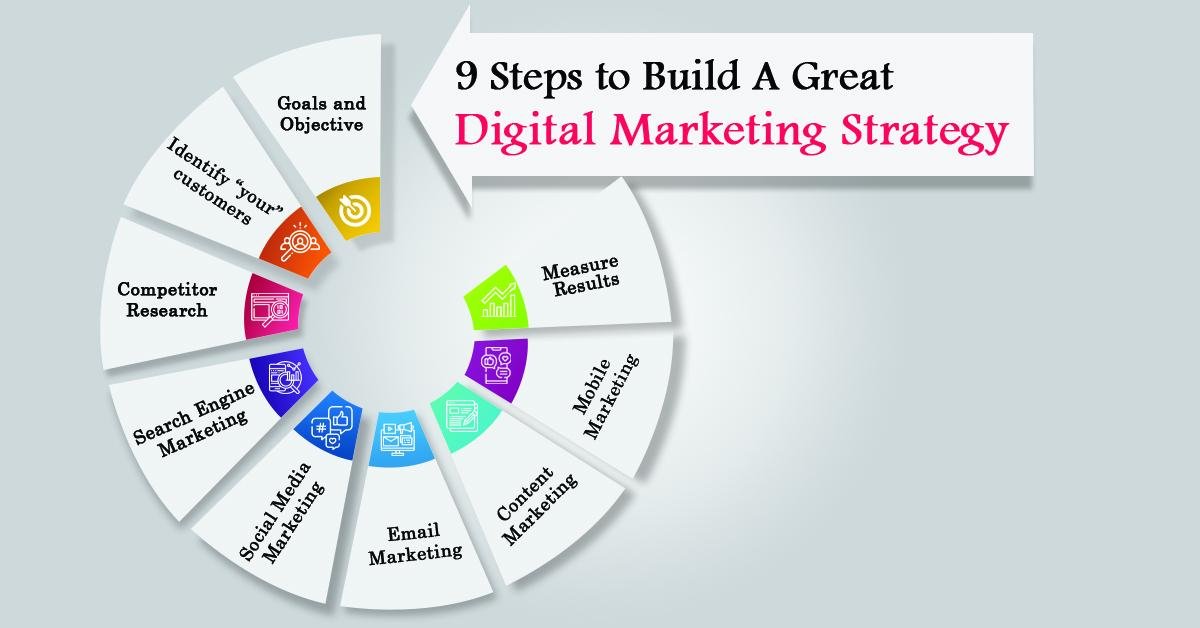
Detailed analysis of the target audience and their online behavior
Before launching any online marketing campaign, you need to know exactly who your target audience is and how they interact in the digital environment. This knowledge is crucial to design relevant content, choose the right channels and maximize your results.
For a detailed analysis, focus on these key aspects:
- Demographics: age, gender, location, educational level and purchasing power.
- Online behavior: favorite social networks, connection schedules, most used devices and purchase frequency.
- Interests and needs: what problems they want to solve, what content they consume and what solutions they demand.
A simple way to organize this information is to create a summary table:
| Aspect analyzed | Practical example |
|---|---|
| Demographics | Users 25-35 years old living in Madrid |
| Online behavior | Browse mainly from mobile, active on Instagram in the evenings. |
| Key Interests | Seeking short online courses on professional development and digital skills |
Selection and optimization of digital channels aligned with business objectives
For your online business to be successful, you must clearly identify the most appropriate digital channels according to your specific objectives. For example, if you are looking to increase the visibility of your brand, platforms such as social networks (Instagram, Facebook or LinkedIn) or Google Ads may be essential. If, on the other hand, your main goal is to sell physical products directly, affiliate marketing and marketplaces such as Amazon or Etsy may be more effective.
Once you have selected the relevant digital channels, it is important to optimize them to maximize results. Make sure to:
- Analyze key metrics: visits, conversions, bounce rate, engagement.
- Perform A/B testing: compare different ads, messages or content to identify what works best.
- Constantly adjust your strategy: focus on leveraging the channels that generate the best results and reconsider those that do not provide significant value.
Remember that you don’t need to be present in all possible digital channels. Prioritize those that really add value based on your specific business objectives and available resources (time, budget, technical expertise).
Key indicators to measure the effectiveness of online marketing and adjust strategy
To evaluate whether your online marketing strategy is working, it is essential that you rely on certain key performance indicators or KPIs (Key Performance Indicators). These indicators will allow you to clearly understand which actions are generating the best results and which ones need to be adjusted.
Some of the most important KPIs you should measure are:
- Conversion rate: Percentage of visitors who perform a specific action (purchase, registration, download).
- Cost per acquisition (CPA): How much it costs you to capture a new customer or registration.
- Return on investment (ROI): The profit generated versus the expenditure on advertising campaigns.
- Qualified traffic: Number of visitors that meet the characteristics of your ideal customer.
- Bounce rate: Percentage of visitors who leave your website after viewing only one page.
Use these indicators to regularly analyze your results, and adjust your strategy accordingly. For example, if you observe a high bounce rate you could improve the user experience and optimize your landing pages; if the CPA is high, you may need to review your ads or segmentation to better reach your target audience.
| KPI | Ideal target | Frequency of analysis |
|---|---|---|
| Conversion rate | Higher than 2-3%. | Weekly |
| CPA | Progressively reduce | Monthly |
| ROI | Positive and growing | Monthly |
| Qualified traffic | Constant increase | Weekly |
| Bounce rate | Less than 50%. | Weekly |
Practical recommendations for maintaining strategic alignment over the long term
To maintain long-term strategic alignment, it is critical to periodically review your business objectives and ensure that each online marketing action responds directly to them. An effective practice is to schedule quarterly meetings to analyze results, detect deviations and adjust strategies as needed.
In addition, use digital tools that facilitate the tracking of key metrics and allow you to quickly visualize progress towards your objectives. Some practical recommendations are:
- Define clear indicators (KPIs): web traffic, conversion rate, ROI or cost per acquisition.
- Implement simple dashboards: Google Data Studio or HubSpot to monitor results in real time.
- Encourage internal communication: Ensure that all employees have a clear understanding of the strategic objectives and how they contribute to achieving them.
Finally, remember that maintaining your strategic focus requires consistency and flexibility. Be receptive to feedback from customers and partners, adapting your plan as the market and the needs of your target audience evolve.
Frequently Asked Questions
Question: Why is it important to align your online marketing strategy with your business objectives?
Answer: Aligning your online marketing strategy with your business objectives is fundamental because it allows you to focus your efforts and resources on specific actions that contribute directly to the growth and profitability of your company. This facilitates the measurement and evaluation of the success of your campaigns, ensuring that each digital action is oriented to meet clear and defined goals.
Question: What steps do you need to take to achieve this alignment?
Answer: First, you should clearly identify what your overall business objectives are, such as increasing sales, attracting new customers or building customer loyalty. Then, translate these objectives into specific and measurable goals for your online actions. Establish key performance indicators (KPIs) that allow you to periodically evaluate progress and adjust your digital strategy according to the results obtained.
Question: How can you define specific online marketing objectives that are aligned with your business?
Answer: To define specific online marketing objectives, you should start with your overall business goals, identifying how the digital channel can help you achieve them. For example, if your business aims to increase customer acquisition, your online objectives could include increasing web traffic, improving the site’s conversion rate or increasing the number of leads generated through forms.
Question: What tools can you use to measure the success of your online marketing strategy?
Answer: There are several tools that allow you to measure the success of your strategy, such as Google Analytics to analyze user behavior on your website, social media analysis tools such as Facebook Insights or advertising metrics in Google Ads. In addition, you can use CRM systems or marketing automation platforms to track in more detail the impact of your digital actions on your business objectives.
Question: What to do if you notice that your online marketing strategy is not aligned with your objectives?
Answer: If you detect that your strategy is not aligned with your objectives, it is essential to perform a thorough analysis to identify the causes of the misalignment. You must evaluate if the objectives set were realistic, if the tactics used are adequate or if you need to adjust your target audience. From this diagnosis, you will be able to redefine your strategy, adjust specific actions and optimize resources to ensure that online marketing brings real benefits to your business.
In conclusion
Aligning your online marketing strategy with your business objectives is not just a recommended step, it is a necessity to achieve solid and sustainable results. By doing so, you will optimize your resources, improve the performance of your campaigns and significantly increase the return on your investment.
Remember that digital marketing evolves rapidly, so it is essential to periodically review this alignment and adapt it according to changes in the market, in your industry and in your business. Keep an eye on key metrics, continually learn and don’t hesitate to seek professional help if you feel you need additional guidance.
Now that you know how to connect your online marketing with your business goals, you’re ready to take the next step and take your business to the next level. Are you ready to get started?