If you have a blog and you feel frustrated because your visits do not increase or depend solely on paid advertising, you should know that it is possible to increase organic traffic without spending a single euro on ads. With the right SEO strategies and valuable content generation, you can attract interested visitors in a natural and constant way.
In this article you will discover practical and effective techniques that will allow you to strengthen the visibility of your blog in search engines like Google. You will learn how to optimize your articles, improve the structure of your website and take advantage of other free tools that will multiply your reach and help you attract more readers.
Index
- Optimizes content through effective SEO techniques and strategic keywords
- Improve loading speed and user experience on your blog
- Increases visibility through partnerships and quality external links
- Generate relevant and updated content that encourages reader interaction.
- Use social networks and digital communities to boost your organic reach
- Frequently Asked Questions
- In a nutshell
Optimizes content through effective SEO techniques and strategic keywords
To get your blog to appear in the top search results, you need to identify specific keywords that your target audience uses frequently. Free tools like Google Keyword Planner or Ubersuggest allow you to discover relevant terms, analyze their search volume and select those with lower competition but good demand.
Once you have chosen the ideal keywords, integrate them naturally into your content: titles, subtitles, main text and ALT attributes of images. Also, apply these effective SEO techniques to boost your rankings:
- Optimize loading speed: Compress images and use plugins such as WP Rocket or W3 Total Cache.
- Create evergreen content: Publish useful and timeless articles that attract recurring traffic.
- Generate internal links: Direct your readers to other relevant pages within your website.
Remember that a solid SEO strategy is key to increasing visibility and attracting quality visitors on a consistent basis, without relying exclusively on paid advertising.
Improve loading speed and user experience on your blog
Optimizing the loading speed of your blog is essential to reduce the bounce rate and improve your search engine rankings. Google highly values user experience, rewarding fast and optimized websites. To improve your performance, start by using free tools such as PageSpeed Insights or GTmetrix, which will show you which specific aspects you need to correct.
Some simple actions you can implement starting today are:
- Optimize images: Use compressed formats such as WebP or JPEG and plugins such as WP Smush.
- Install caching plugins: WP Super Cache or WP Rocket are effective and easy to configure options.
- Reduce the number of active plugins: Keep only the essential ones and uninstall the ones you don’t use.
Also, pay attention to mobile navigation, as most of your readers will be accessing your site from their phones. Use a responsive theme and make sure to eliminate pop-up elements or invasive banners that may negatively affect mobile usability. Remember that a good user experience not only increases your organic visits, but also favors the conversion and loyalty of your readers.
Increases visibility through partnerships and quality external links
An effective and free way to stand out in search engines is through strategic collaborations with other websites that already have authority in your industry. For example, you can offer to write quality guest articles or participate in relevant interviews and podcasts. This will allow you to reach new audiences, generating qualified traffic to your content.
To get quality external links, focus on creating valuable and unique content that is likely to be linked to by others. Some useful ideas are:
- Complete guides and tutorials: Solve specific problems.
- Own statistics and studies: Original data that others can reference.
- Infographics and visual graphics: Make it easy to share and link to your content.
Also, consider contacting bloggers and influencers related to your niche directly to propose collaborations or specific exchanges. The higher the relevance and authority of these sites linking to yours, the higher your credibility and positioning in Google’s eyes.
Generate relevant and updated content that encourages reader interaction.
Publishing useful and updated content will help you capture the attention of your readers, thus increasing interaction and loyalty on your blog. To achieve this, identify current topics in your industry using free tools such as Google Trends, AnswerThePublic or specialized forums. This will allow you to discover what concerns and doubts your target readers have.
To encourage direct interaction, use techniques such as:
- Ask open-ended questions at the end of each post to encourage comments.
- Create polls or surveys that involve your visitors.
- Offer free downloadable content (guides, templates or ebooks) in exchange for subscriptions.
Also, remember to regularly update your old posts with fresh information, new statistics and relevant links. This will not only improve your readers’ experience, but will also increase your visibility in search engines, strengthening your organic positioning.
Use social networks and digital communities to boost your organic reach
Social networks and digital communities are key tools to increase the organic visibility of your blog. By sharing your posts on platforms such as Facebook, Instagram, Twitter or LinkedIn, you can reach a wider and more segmented audience for free. Be sure to adapt your content according to the style and format that works best on each social network.
Also, actively participate in digital communities related to your topic, such as Facebook groups, specialized forums or Telegram channels. On these platforms, it is not enough to simply share links; it is important to provide value, answer questions and offer useful content to build trust and authority.
To maximize impact, follow these best practices:
- Research relevant hashtags: use tools such as Hashtagify or RiteTag to discover the most effective terms.
- Post at strategic times: check when your audience is most active using tools such as Facebook Insights or Instagram Analytics.
- Encourage interaction: ask questions, use polls or ask for opinions to increase participation and reach.
Frequently Asked Questions
Question: What exactly does organic traffic mean for my blog?
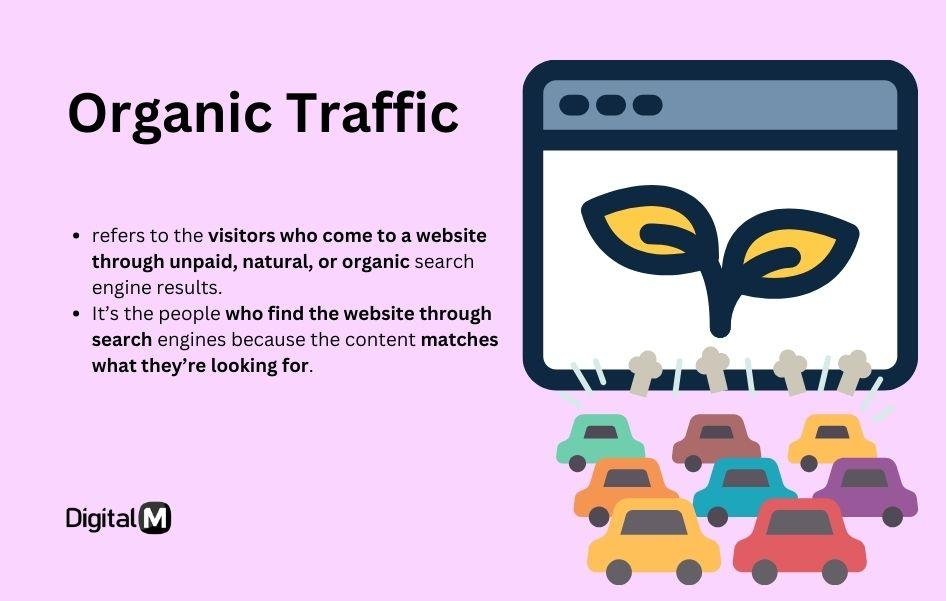
Answer: Organic traffic refers to the visits that come to your blog in a natural way, that is, without you paying for advertisements. It generally comes from search engines like Google, where users find your content when searching for information related to your topic.
Question: Why is it important to optimize my blog to generate organic visits?
Answer: Optimizing your blog to attract organic traffic is key because it allows you to get consistent visitors in the long term, without having to rely on paid advertising. In addition, as they are visitors interested in your content, they tend to show more interaction and loyalty.
Question: How can I improve the SEO positioning of my publications?
Answer: To improve your SEO positioning you can do a research of relevant keywords in your niche and use them naturally in your titles, subtitles, texts and images. It is also important to work on the structure of your content, offering clear, useful and well organized information that responds to the reader’s needs.
Question: Does the frequency of publication influence the generation of organic traffic?
Answer: Yes, maintaining a regular frequency helps search engines detect that your blog is active and updated, which helps you rank better. However, quality is more important than quantity; try to publish valuable and relevant content, even if less frequently.
Question: How do internal links influence my blog’s organic traffic?
Answer: Internal links boost organic traffic because they help search engines better understand the structure of your website, making it easier for more pages to be indexed. In addition, they guide visitors to other related content, increasing the time they stay on your blog and improving your ranking.
Question: Is it important to optimize images to get more organic visits?
Answer: Yes, optimizing images is important because it increases the loading speed of the blog, improves the user experience and allows you to position your images in search engines, attracting additional visits. To optimize them, use appropriate formats, reduced sizes and add descriptive alternative texts.
Question: How can I take advantage of social networks to increase organic visits to my blog?
Answer: Sharing your content on social networks helps increase its initial visibility. If people find your content useful, they are likely to share it and link to it from other websites, which boosts your organic ranking. Although visits from social networks are not considered organic per se, they can indirectly improve your SEO.
Question: What role do external links to my blog play in organic traffic?
Answer: External links, also called backlinks, are essential for SEO positioning. Google interprets these links as votes of confidence towards your content, positioning it better in search results and thus increasing your organic visits.
Question: Is it advisable to update old content to improve organic traffic?
Answer: Yes, updating old content is an excellent strategy to improve organic traffic, especially if you have publications that are well positioned but somewhat outdated. By renewing information, adding new data and optimizing keywords, you can improve your ranking and attract new visitors.
Question: How long does it take to notice an increase in organic traffic after implementing SEO strategies?
Answer: SEO is a gradual process and requires patience. Generally, results are perceived after several months of constant and consistent work. It is important to maintain the effort in the long term so that the increase in organic visits is consolidated.
In a nutshell
Increasing organic visits to your blog without investing in advertising is a totally feasible goal if you consistently apply the strategies you have seen in this article. Remember that SEO positioning is a gradual process that requires patience, perseverance and frequent analysis of your results.
Start by getting to know your audience deeply, create quality content that responds to their needs and optimize each article for search engines. This way, little by little, you will build a loyal and engaged community around your blog.
Now it’s your turn: get to work, apply these tips and start enjoying the organic growth of your web traffic, you’ll be amazed with the results you can achieve!