E-commerce has revolutionized the way products and services are bought and sold, offering unique opportunities for entrepreneurs who want to start or expand their business online. If you are thinking of making the leap into the digital world, knowing the basics of e-commerce is essential to creating a successful and sustainable strategy.
In this article you will discover the key elements of e-commerce, from technology platforms and payment methods to best practices for engaging customers and optimizing sales. With this basic knowledge you will be able to make informed decisions and build a profitable online business adapted to current market needs. 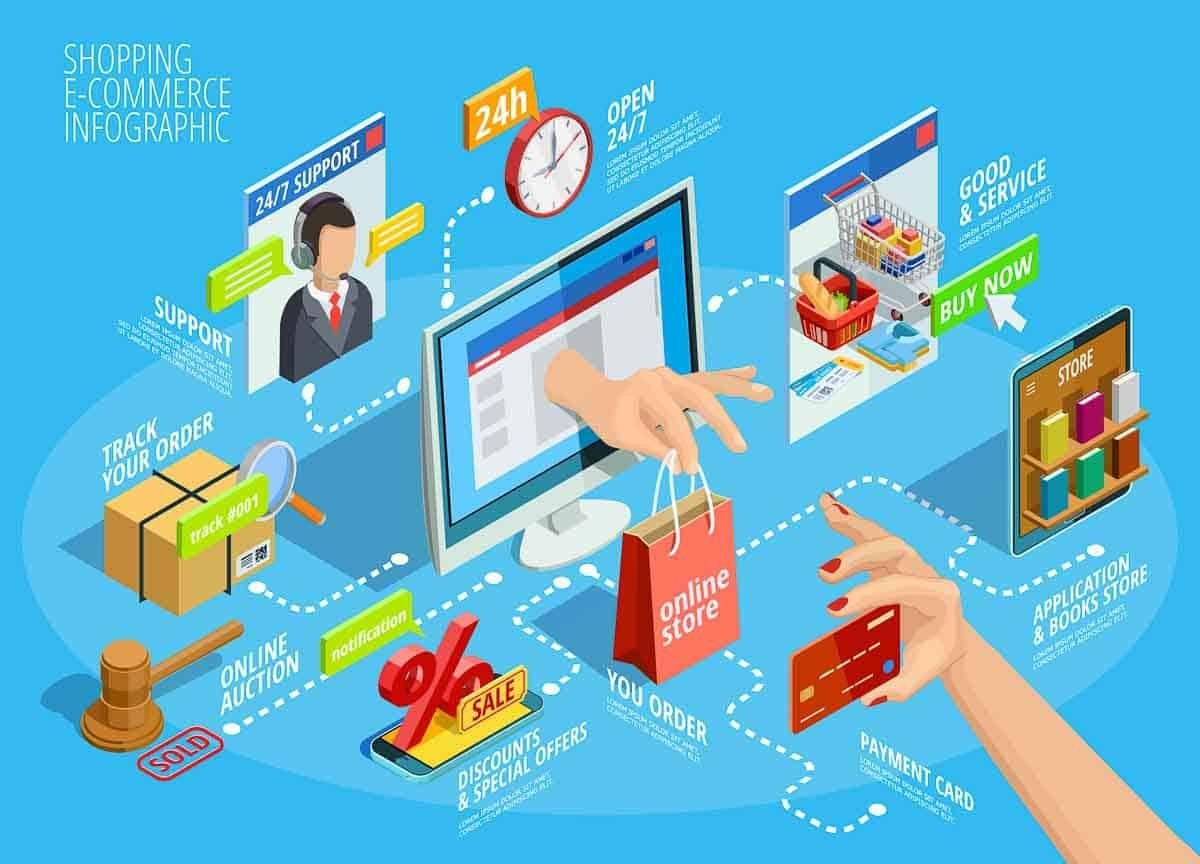
Index
- Introduction to e-commerce key concepts for entrepreneurs
- Essential platforms and tools to start a successful online store
- Effective digital marketing strategies to attract and retain customers
- Legal and security aspects essential in e-commerce
- Logistics management and customer service are key to a sustainable digital business.
- Frequently Asked Questions
- Summary
Introduction to e-commerce – key concepts for entrepreneurs
If you are thinking of launching your own online business or taking your physical products to the digital environment, it is essential to first understand some basic concepts of e-commerce. In simple terms, e-commerce consists of buying and selling products or services over the Internet, using digital platforms that facilitate interaction between sellers and customers from anywhere in the world.
To successfully start your project, you need to familiarize yourself with some key concepts:
- Online store: Your own website where you display your products and make direct sales.
- Marketplace: Platforms like Amazon or Etsy where you can sell products taking advantage of their high user traffic.
- Payment gateway: Service that allows secure transactions with credit cards, debit cards or platforms such as PayPal.
- Dropshipping: Model in which you sell products without having your own inventory, since the supplier is in charge of shipping directly to the customer.
These concepts provide you with a solid foundation to understand how the digital ecosystem works and how you can leverage it to generate revenue. From here, you will be able to strategically plan your business model and choose the right tools that will allow you to grow in a scalable and sustainable way. 
Essential platforms and tools to start a successful online store
To build a successful online store, you need to rely on reliable platforms that allow you to scale your business without technical complications. Some of the most popular and currently recommended options are:
- Shopify: ideal if you are looking for simplicity, speed and a visually appealing store from day one.
- WooCommerce: perfect for integrating with WordPress, offering you absolute flexibility and advanced customization.
- PrestaShop: recommended if you are looking for a deeper technical control, with excellent functionalities for small and medium online stores.
In addition, you will need essential complementary tools to manage payments, logistics and digital marketing:
| Function | Recommended tool |
|---|---|
| Online payments | Stripe, PayPal, Redsys |
| Email marketing | Mailchimp, ActiveCampaign |
| Logistics and shipping | Sendcloud, Packlink PRO |
| Web analytics | Google Analytics, Hotjar |
With these platforms and tools, you’ll be ready to launch your digital store with confidence and start generating sales right out of the box.
Effective digital marketing strategies to attract and retain customers
To attract customers to your online business you must first capture their attention and build trust from the first contact. You do this by applying key strategies that position your brand as a valuable and trusted source:
- Content marketing: Regularly publish articles, guides and tutorials that solve frequent doubts and provide practical solutions to your potential customers.
- Automated email marketing: Send personalized email sequences to keep your users informed, offer exclusive promotions and remind them why your proposition is unique.
- Targeted social media advertising: Use platforms such as Facebook and Instagram to reach specific audiences based on interests, location and online behaviors.
Once you’ve attracted users, it’s critical to keep them coming back and buying again. To build customer loyalty, consider implementing attractive rewards programs, exclusive offers for repeat customers and efficient personalized attention across all your digital channels.
Legal and security aspects essential in e-commerce
Before launching into the world of e-commerce, you should make sure you comply with certain basic legal points to protect both your business and your customers. The first thing is to have clear, accessible and updated legal texts on your website, such as:
- Legal notice: clearly identify who you are and how you can be contacted.
- Privacy policy: informs about how you manage the personal data of your users, complying with the RGPD.
- Terms and conditions: establishes the rules of purchase, shipping, returns and warranties.
- Cookie policy: specifies the cookies you use and how to manage them.
In addition, technical security is essential to build trust and protect your business. Always use an SSL certificate (so that your web address begins with “https://”) to ensure that all transactions are secure. It is also essential to choose reliable payment platforms or gateways that comply with PCI DSS standards, facilitating secure payments and protecting your customers’ financial data.
Logistics management and customer service are key to a sustainable digital business.
For your digital business to thrive over time, it is essential that you take care of two key aspects: logistics management and customer service. Efficient logistics ensure fast and accurate deliveries, improving buyer satisfaction and increasing the likelihood of repurchase. Therefore, you must choose reliable suppliers, manage your inventory correctly and establish clear processes for shipments and returns.
On the other hand, customer service is the bridge that connects your brand with your buyers. Responding quickly, transparently and empathetically builds trust and loyalty with your users. To optimize this point, keep the following in mind:
- It offers multiple contact channels (email, chat, telephone, social networks).
- Define clear protocols for handling frequent inquiries and complaints.
- Regularly measure customer satisfaction to detect areas for improvement.
These actions will allow you to strengthen your online reputation and build lasting relationships with your target audience.
Frequently Asked Questions
What is e-commerce and why is it important for today’s entrepreneur?
E-commerce is the buying and selling of products or services over the Internet. For you, as an entrepreneur, it is important because it allows you to reach a wider audience, reduce operating costs, offer a personalized experience to your customers and compete on equal terms with larger companies, even with a small initial investment.
What are the main advantages of starting an online business versus a traditional one?
By starting an online business you have advantages such as lower initial and operating costs, greater time flexibility, immediate global reach, ease of tracking and analyzing your customers’ preferences, as well as the possibility of implementing more efficient and accurate digital marketing strategies.
Do you need advanced technical knowledge to become an e-commerce entrepreneur?
Not necessarily. Although some technical knowledge can be useful, there are currently intuitive and easy-to-use platforms that allow you to create and manage your online store without the need for advanced programming or web design knowledge. In addition, you can count on tutorials, online courses and specialized advice to accompany you during the process.
What factors should you consider when choosing the technology platform for your online store?
You should consider factors such as ease of use, associated costs, scalability (ability to adapt to the growth of your business), security, available technical support, customization options and integration with external applications such as payment methods, logistics and digital marketing.
How can you build trust among users to increase your online sales?
To build trust, make sure you have a professional, clear and transparent website. Offer multiple secure and popular payment methods, include real reviews and ratings from other customers, provide fast and personalized service, and clearly communicate return, shipping and privacy policies.
Is it necessary to invest in digital advertising for your online business to succeed?
Although not strictly mandatory, investing in digital advertising is highly recommended to increase visibility and attract potential customers to your online store. Strategies such as Google Ads, social media advertising and content marketing can help you reach your target audience effectively and significantly improve your sales.
What payment methods should you offer in your online store?
It is advisable to offer a variety of secure and popular payment methods, such as credit and debit cards, PayPal, bank transfers, cash on delivery (in certain locations or situations), and other local digital platforms that are popular with your target customers.
How to properly manage the logistics of your online store?
Logistics management is about ensuring that products reach your customers in a timely manner. You can choose to manage logistics in-house or hire specialized external services. The important thing is to carefully plan storage, packaging, shipping options and delivery times, ensuring clear and constant communication with your customers.
How to measure the success of your online business?
To measure the success of your online business, you should establish key performance indicators (KPIs), such as sales volume, visitor traffic, conversion rate, average ticket, customer satisfaction and return on advertising investment. Regularly evaluating these metrics will allow you to make informed decisions to continually optimize your business.
What are the most common mistakes to avoid when starting an e-commerce business?
Common mistakes to avoid include not properly researching your target market, underestimating the importance of digital marketing, neglecting customer service, offering few payment methods or slow and unclear shipping, and not constantly tracking your business performance through metrics and analytics.
Summary
Now that you know the essential fundamentals of e-commerce, you are ready to take your first steps in the digital world. Remember that the key is to apply these principles consistently and adapt them to the particularities of your business.
You don’t need to be a technical expert to start your online project, but you do need to be informed, up-to-date and willing to learn. E-commerce is constantly evolving, and your ability to adapt will determine your success.
When in doubt, don’t be afraid to seek help from professionals or digital communities that have walked this path before you. The journey to a profitable digital business may seem challenging at first, but with effort and commitment, the results can exceed your expectations.
Lots of encouragement and go ahead with your project!