In today’s competitive digital environment, capturing the attention of your audience has become a constant challenge. Personalization in digital marketing campaigns emerges as an essential tool to effectively connect with your potential customers, offering them content and experiences tailored to their specific interests.
When you implement personalized strategies, you not only increase the degree of satisfaction and loyalty of your users, but also significantly improve the profitability of your advertising investments. In this article you will discover why personalization is key to stand out from your competitors and how to apply it easily in your digital business, even without previous experience. 
Index
- The relevance of personalization to capture the attention of the digital consumer.
- How to use user data to create more effective campaigns
- Key recommendations for implementing email and social media personalization
- Essential digital tools to optimize real-time personalization
- Common mistakes to avoid when developing personalized digital marketing campaigns
- Frequently Asked Questions
- In conclusion
The relevance of personalization to capture the attention of the digital consumer.
In today’s digital environment, delivering personalized experiences is key to stand out from the crowd and capture the immediate interest of your audience. Today’s consumers expect relevance and direct connection; therefore, generic strategies are no longer sufficient to achieve effective conversions.
To achieve this personalization, you can implement simple but effective actions such as:
- Personalized emails: use the recipient’s name and adapt the content according to their previous interests.
- Accurate segmentation: divide your audience according to demographics, online behavior or purchase history.
- Dynamic content on your website: show specific offers or recommendations according to the visitor’s profile.
By applying these actions, you will make your customers feel valued and understood, thus increasing their trust in your brand and significantly boosting the likelihood of conversion.
How to use user data to create more effective campaigns
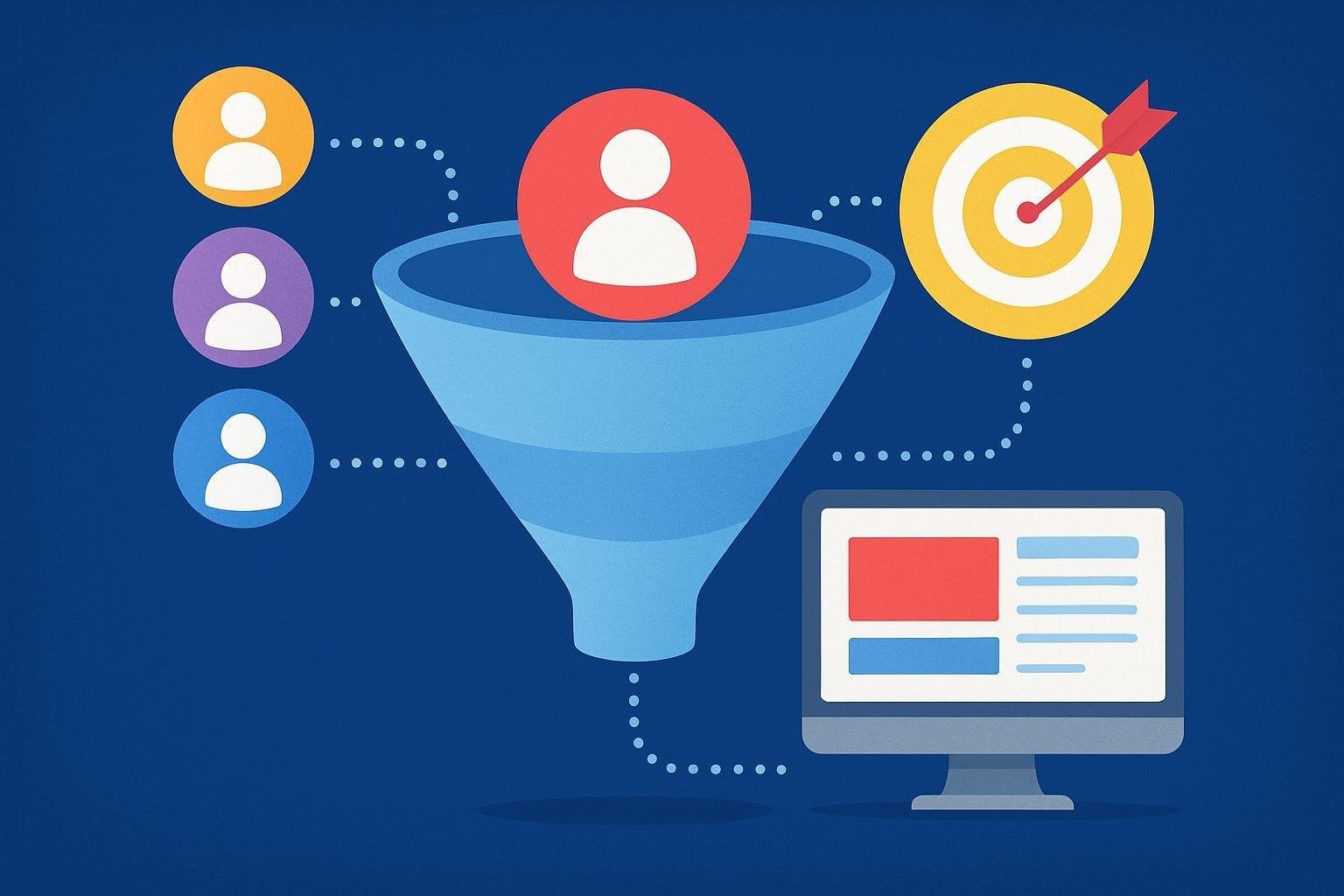
When you understand how your users behave, you can segment them into specific groups based on interests, behaviors or demographics. This allows you to create personalized messages that resonate directly with each group.
For example, imagine you have an online sports nutrition store. When analyzing the data collected, you identify two main segments:
- Amateur athletes: young people interested in basic supplements, discounts and practical tutorials.
- Professional athletes: advanced users seeking specialized content, personalized recommendations and premium products.
By being clear about these profiles, you can send personalized emails or create targeted ads that respond exactly to their needs and expectations. In this way, you can significantly improve your conversion rates and build customer loyalty, increasing the profitability of your campaigns.
Key recommendations for implementing email and social media personalization
To properly implement personalization in your email marketing campaigns, start by segmenting your subscriber list according to interests, purchase history or previous interactions. Use automation tools such as Mailchimp, ActiveCampaign or Sendinblue to send relevant content tailored to each profile.
- Use the recipient’s name: A personalized greeting generates closeness and increases the open rate.
- Deliver targeted content: Send recommendations based on browsing behavior or past purchases.
- Test different topics: Conduct A/B tests to identify which personalized messages get the best results.
On social networks, take advantage of platforms such as Facebook and Instagram to create personalized ads targeted to specific audiences. For example, if your business is an online fashion store, you could display different ads based on the user’s age, gender or geographic location, increasing message relevance and conversion.
| Strategy | Practical Example |
|---|---|
| Interest targeting | Running ads for users who follow sports sites |
| Segmentation by location | Local promotions for inhabitants of a specific city |
| Age segmentation | Anti-wrinkle products targeted at users over 40 years of age |
Essential digital tools to optimize real-time personalization
To achieve a personalized experience in real time that captures the attention of your customers, you need specific digital tools to facilitate this process. These tools allow you to analyze behaviors, segment audiences and deliver tailored content instantly.
Essential tools include:
- ActiveCampaign: Automate email marketing sequences and segment audiences based on their interaction with you.
- Google Optimize: Facilitates A/B testing to determine which version of your content generates the most impact in real time.
- HubSpot: Integrates CRM data to personalize messages and content based on each user’s preferences and behaviors.
- ChatGPT: Offers automated and personalized answers to frequent queries in an immediate and natural way.
In addition, consider advanced platforms such as Segment or Optimizely, which allow you to centralize your data and optimize campaigns according to specific interactions, thus improving conversion and customer loyalty.
Common mistakes to avoid when developing personalized digital marketing campaigns
When launching personalized campaigns, one of the most common mistakes you make is to use generic or insufficiently segmented information. To avoid this, make sure you know your audience in depth and segment it according to interests, buying habits and stages of the sales funnel. This will allow you to send relevant and timely messages that really connect with your users.
Another common failure is to overuse automation, forgetting the importance of the human touch. Although technology greatly facilitates the process, you should not rely exclusively on it. Always make sure to review your campaigns and messages so that they are authentic, warm and adapted to the language of your target audience.
Finally, avoid these common mistakes in your personalized campaigns:
- Not measuring results: You should regularly analyze key metrics, such as open rates, clicks and conversions.
- Ignore user feedback: Actively listen to the opinions and suggestions you receive to improve your future campaigns.
- Over-personalization: Don’t cross the line between personalized and invasive; keep the right balance so as not to make the user uncomfortable.
Frequently Asked Questions
Why is it essential to personalize your digital marketing campaigns?
Personalization in digital marketing is essential because it allows you to adapt the message to the specific needs, preferences and behaviors of each user. This increases the chances of capturing their attention and making them feel identified with your brand, thus increasing the effectiveness of the campaign.
How can you implement personalization in your digital marketing strategies?
You can use tools that collect data about your users’ behavior, such as their purchase history, previous searches, preferences and social media activity. This data will allow you to create personalized messages, specific offers or content tailored to each user, thus generating a closer and more relevant experience.
What are the advantages of personalizing your digital campaigns?
By personalizing your campaigns, you increase conversion rates, improve customer loyalty and optimize your return on investment (ROI). In addition, by offering relevant and tailored content to each user, you improve overall customer satisfaction and strengthen your relationship with them.
What kind of information should you collect to properly customize a digital marketing campaign?
You should primarily collect demographic data (age, gender, location, interests), information about online behavior (visits to your website, products viewed, previous purchases), social media interactions and any other data that gives you clues about your users’ individual preferences and needs.
Are there risks in over-customizing a digital marketing campaign?
Yes, excessive personalization can leave users feeling that their privacy is being violated. Therefore, it is important to strike the right balance and always respect the privacy of your users by providing transparency about how you collect and use their personal data.
How to measure the effectiveness of a customized campaign?
To measure the effectiveness of a personalized campaign, you should monitor key indicators such as email open rate, click-through rate, conversion rate and return on investment. It is also advisable to evaluate customer satisfaction through surveys or qualitative analysis to know their general perception of the campaign.
In conclusion
Personalization in your digital marketing campaigns is no longer just an option, but a strategic necessity to genuinely connect with your audience. By tailoring your message to the specific needs of each user, you significantly increase the effectiveness of your efforts and improve your return on investment.
Remember that behind every click there is a real person with their own interests and emotions. Take advantage of digital tools to get to know your audience better and offer them unique experiences that strengthen your relationship.
Now it’s time to apply what you’ve learned and take the next step towards more relevant and successful digital campaigns. Are you ready to take your online business to the next level?