If you run an online business, you know that providing fast and efficient customer service is essential to build customer loyalty and increase sales. However, answering queries manually can be slow, repetitive and exhausting, especially as your business grows.
Fortunately, there are automation tools that can streamline and optimize this process, allowing you to offer personalized attention without the need for large investments or advanced technical knowledge. In this article you will discover which are the best solutions to automate your customer service and how to easily implement them in your digital business. 
Index
- Key tools to automate customer service and improve operational efficiency
- How to choose the right automation software for your company’s needs
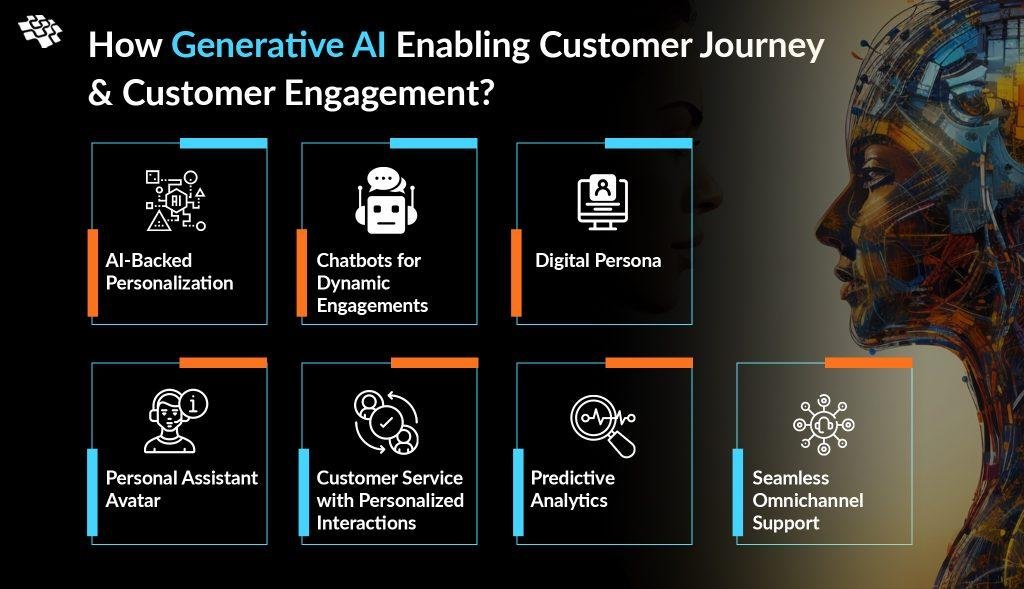
- Benefits and limitations of intelligent chatbots in customer service
- Effective integration of automated platforms with human agents for hybrid care
- Practical recommendations for optimizing automation without losing service quality
- Frequently Asked Questions
- To conclude
Key tools to automate customer service and improve operational efficiency
When you decide to automate customer service, it is essential to select effective tools that adapt to your business and allow you to offer immediate and personalized responses. Some of the most prominent solutions include:
- Intelligent Chatbots: Platforms such as ChatGPT, Drift or ManyChat allow you to create automated conversations capable of understanding and resolving frequent queries without human intervention.
- Ticketing software: Tools such as Zendesk, Freshdesk or Help Scout make it easy to centralize, organize and track queries, allowing you to offer efficient and professional support.
- Knowledge bases: With solutions such as Document360 or Helpjuice, you can create databases with articles and tutorials that automatically answer your customers’ most common questions.
In addition, if you sell products or services online, the integration of CRM tools can be especially useful to personalize the attention and anticipate the needs of your customers. Platforms like HubSpot or ActiveCampaign help you to manage the relationship with users in an automated way, based on their history and interests.
Below is a simple comparison chart to help you decide which tool is right for you:
| Tool | Type | Ease of use | Initial cost |
|---|---|---|---|
| Zendesk | Tickets | Sign up | From 49€/month |
| ManyChat | Chatbot | Very high | Free (basic plan) |
| HubSpot CRM | CRM | Sign up | Free (basic plan) |

How to choose the right automation software for your company’s needs
Every company has unique needs, so it’s critical to choose software that truly fits your business model and goals. To make the right decision, start by clearly identifying which customer service tasks you want to automate and defining a rough budget you can allocate to the tool.
Then, it analyzes key aspects such as:
- Ease of use: make sure the platform is intuitive and accessible, especially if you have no previous experience with digital tools.
- Available integrations: verify that it connects easily with the programs you already use in your business (email, CRM, social networks).
- Scalability: consider whether the tool can adapt to the future growth of your company.
- Technical support: choose providers that offer fast support in your language.
To simplify your choice, here is a comparison table with practical examples:
| Aspect | Requirement example | Tool suggestion |
|---|---|---|
| Intelligent Chatbots | Answering frequent queries 24/7 | Drift, Chatfuel |
| Centralization of channels | Unify WhatsApp, email and RRSS | Zendesk, Freshdesk |
| Easy email automation | Send personalized autoresponders | Mailchimp, ActiveCampaign |
Advantages and limitations of smart chatbots in customer service
Intelligent chatbots can offer you great advantages in customer service, such as immediate 24-hour availability, considerably reducing waiting times. They also automate responses to frequent queries, allowing your team to focus on more complex and strategic tasks.
However, you should consider some important limitations before implementing this solution:
- Lack of empathy: Although advanced, chatbots lack the emotional capacity to handle delicate situations or unhappy customers.
- Difficulty in complex queries: Sometimes, they may generate incorrect or insufficient answers to uncommon or ambiguous questions.
- Upfront costs and maintenance: Implementing advanced chatbots involves a significant upfront investment in time and resources.
Carefully evaluate these aspects before deciding if an intelligent chatbot is right for your business. Remember that you can combine chatbots with human attention to benefit from the best of both options.
Effective integration of automated platforms with human agents for hybrid care
Combining automated tools and human agents can take your customer service to another level. A hybrid strategy allows you to provide immediate answers to frequent queries through bots or chatbots, while reserving your human agents for more complex or sensitive cases.
To achieve effective integration, keep the following in mind:
- Clearly define boundaries and roles: Establish when a query should be passed from the bot to the human agent.
- Implement tracking systems: Tools that allow agents to easily consult the history of previous automated interactions.
- Train your team: Train your employees to take full advantage of the information previously provided by the automated tools.
A well-implemented hybrid service not only improves operational efficiency, but also provides a personalized and close experience, increasing customer satisfaction and loyalty.
Practical recommendations for optimizing automation without losing service quality
Automating processes does not mean neglecting service quality – quite the contrary. To maintain an optimal balance, focus on automating repetitive, time-consuming tasks such as initial responses, order tracking or frequently asked questions. This will allow your team to focus on situations that require personalized attention.
Here are some practical recommendations to make your automation effective without sacrificing the quality of your customer relationship:
- Segment your audience correctly: Clearly define different profiles or types of customers, so that you can automate personalized messages according to their specific needs.
- Sets clear boundaries: Schedules alerts and assigns human interventions when complex or emotional situations arise that require empathy.
- Periodically review your automations: Monitor customer satisfaction and regularly adjust the content and frequency of your automated messages.
Also, always measure results. Use metrics such as those shown below to evaluate effectiveness and adjust your strategy:
| Metrics | What does it measure? | Recommended target |
|---|---|---|
| Automatic resolution rate | Percentage of queries resolved without human intervention. | 60-75% |
| Customer Satisfaction (CSAT) | Customer rating on the quality of service received. | Greater than 85%. |
| First response time | Average time to automatically respond to initial inquiries. | Less than 5 minutes |
Frequently Asked Questions
What are automation tools for customer service?
These are technological solutions that allow you to manage and automatically respond to frequent customer inquiries, speeding up response times and improving the efficiency of your customer service team.
How can these tools help your business?
These tools allow you to handle customer inquiries quickly and accurately, reduce waiting time, free up staff for more complex tasks and improve overall customer satisfaction.
What types of tasks can you automate in customer service?
You can automate repetitive tasks such as answering frequently asked questions, handling simple requests, sending automated email responses, assigning cases to the appropriate agents and collecting basic customer information.
Are automation tools replacing customer service agents?
Not completely. These tools complement the work of human agents, taking care of basic and repetitive tasks, allowing the team to focus on more specialized tasks and queries that require more personalized attention.
What are the main advantages of implementing these solutions in your company?
Key benefits include faster service and availability 24/7, reduced operating costs, increased team productivity, improved customer satisfaction and efficient data collection for further analysis.
What should you consider when choosing an automation tool for your business?
It is advisable to evaluate factors such as ease of use, integration with existing systems, degree of customization, cost, scalability according to your future needs and available technical support.
Are automation tools suitable for any size of company?
Yes, there are solutions tailored for both small businesses requiring basic automation and large organizations with more complex needs. It is important to choose a tool that suits the specific characteristics and customer service volume of your business.
What impact does automation have on the quality of service provided to the customer?
If implemented correctly, automation improves service quality by providing fast and accurate responses, reducing human error, and delivering a consistent and uniform customer experience.
Is it complicated to integrate these tools with other existing systems in your company?
Most of today’s automation tools are designed to integrate easily with different platforms, such as CRM systems, social networks, emails and online stores. However, it is advisable to check in advance the compatibility and ease of integration with the systems you already use.
Do you need to train your staff to use these tools?
Yes, although these tools are usually intuitive, it is advisable to provide basic training to employees so that they can take advantage of their full potential, manage them properly and resolve possible incidents quickly.
To conclude
Automating your customer service can make a big difference in the efficiency and profitability of your online business. The tools we have reviewed allow you to optimize resources, improve response times and increase customer satisfaction.
Remember that the key to success is to choose solutions adapted to the specific needs of your project. Carefully evaluate each option and do not hesitate to carry out tests before definitively implementing a tool.
Automation does not completely replace human attention, but it helps you free up time to focus on more important strategic tasks. Now it’s your turn: explore these tools, start with small steps and get ready to take your customer service to the next level.