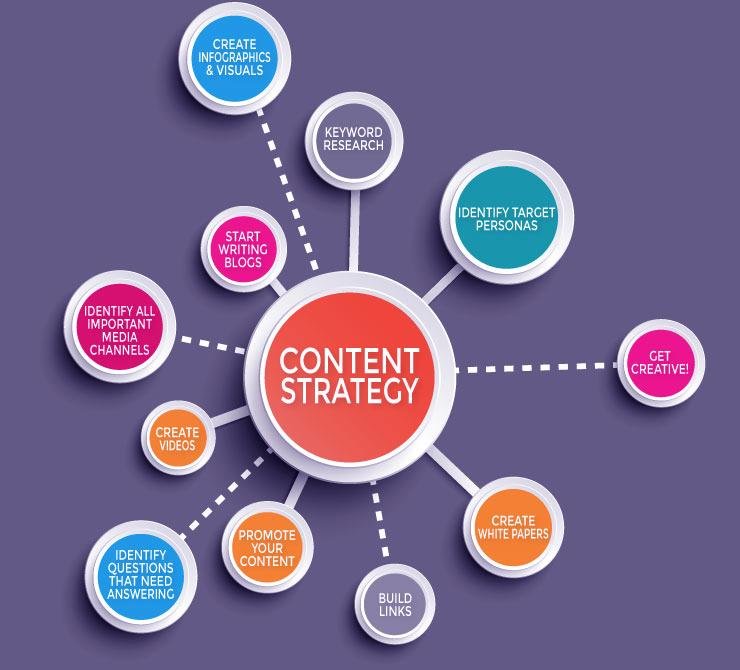
If you want to build a solid and profitable online business, combining content marketing with SEO is an essential strategy. On the one hand, content marketing helps you connect with your audience and position yourself as an authority in your industry.
On the other hand, SEO helps your content appear among the top results on Google, attracting qualified and consistent traffic over the long term. In this article, you’ll discover how to integrate both techniques to boost your online visibility and achieve lasting results for your digital business. 
Index
- Understanding search intent to create relevant content
- SEO Optimization Based on Strategic Keywords
- The Importance of Evergreen Content in Organic Search Engine Optimization
- How to Integrate Internal and External Links to Improve Web Authority
- Continuous measurement and analysis to refine long-term results
- Frequently Asked Questions
- To conclude
Understanding search intent to create relevant content
To provide content that truly resonates with your audience, it’s essential to understand what users are trying to achieve when they perform a search. This is known as “search intent” and can generally be classified into four main categories:
- Informational: The user is looking for specific information or answers (e.g., “how to create a website”).
- Navigation: You want to go to a specific page or site (e.g., “Facebook login”).
- Transactional: The user is ready to make a purchase or take a specific action (e.g., “buy running shoes”).
- Market research: They are comparing options before making a decision (e.g., “best value-for-money DSLR cameras”).
By clearly identifying what your visitors expect to find, you’ll be able to tailor your content precisely and significantly increase your chances of ranking well in search engines. Always consider which stage of the customer journey your target audience is in and create content optimized for that intent, thereby increasing the relevance of your value proposition in every search.
SEO Optimization Based on Strategic Keywords
For your SEO strategy to be truly effective, you need to select strategic keywords that align with your audience’s needs and your business goals. Start by conducting thorough research using tools like Google Keyword Planner or SEMrush to identify relevant terms with high search volume and moderate competition.
Once you’ve identified these keywords, incorporate them into your content by following these best practices:
- Title and headings: Include your main keyword in the title and secondary keywords in the headings (H2 and H3).
- Article text: Use your keywords naturally, avoiding over-optimization. The recommended density ranges from 1% to 2%.
- SEO-friendly URLs: Make sure your URL includes the main keyword and is short and clear.
- Meta tags: Optimize your meta title and meta description by including keywords to improve your CTR in search results.
In addition, it’s a good idea to regularly analyze the performance of your chosen keywords. Use analytics tools like Google Search Console to monitor how your rankings change and adjust your strategy based on the results you get.
The Importance of Evergreen Content in Organic Search Engine Optimization
Evergreen content is content that doesn’t become outdated over time and remains relevant to your audience for months or even years. By creating this type of content, you ensure that the effort you put into creating articles, videos, or guides will pay off in the long run, generating consistent traffic through search engines like Google.
Some examples of evergreen content formats you can use in your content strategy include:
- Step-by-step tutorials: Teach your audience how to solve common problems related to your niche.
- Comprehensive or definitive guides: delve deeply into a key topic that is frequently searched for.
- Frequently Asked Questions (FAQs): Answer your audience’s most common questions.
Using evergreen content has clear advantages for your organic search rankings:
| Advantage | Description |
|---|---|
| Time savings | You don’t need to constantly update the content. |
| SEO Authority | You generate organic links and repeat visits. |
| Consistent traffic | You receive qualified visitors over long periods of time. |
Investing in this type of content will allow you to optimize your efforts, gradually increasing your reach and visibility on search engines, without having to constantly reinvent your strategy.
How to Integrate Internal and External Links to Improve Web Authority
Internal links allow you to guide your visitors to relevant content within your website, which improves the user experience and increases time on site. They also strengthen your site’s structure, helping Google better understand your content. To do this, use internal links to your most popular articles or key pages, using descriptive and varied anchor text.
In addition, external links to authoritative websites enhance the credibility of your content in the eyes of both Google and your readers. By linking to reliable and relevant sources, you demonstrate that your information is well-supported and up-to-date. Follow these recommendations to effectively incorporate external links:
- Choose reliable sources: well-known websites, academic studies, or relevant media outlets.
- Use external links sparingly: avoid cluttering the text with too many links that distract the reader.
- Set up contextual links: Link to keywords or phrases that clearly describe the linked content.
| Link Type | Recommended frequency | Main benefit |
|---|---|---|
| Inmates | 2–4 per article | Improve navigation and internal SEO |
| External | 1–2 per article | Boosts credibility and authority |
Continuous measurement and analysis to refine long-term results
The key to achieving lasting results with your marketing strategy lies in constantly measuring your performance. It’s not enough to simply publish content; you need to understand how your visitors interact with it and how your organic search rankings are changing. To do this, tools like Google Analytics and Google Search Console will be your best allies.
Some key metrics you should analyze regularly include:
- Organic traffic: visitors coming from search engines.
- Bounce rate: the percentage of users who leave your website after viewing only one page.
- Average time on page: average duration of the visit.
- Conversions: users who complete a specific action (subscription, purchase, registration).
By analyzing this data, you’ll be able to identify which articles perform best, which topics interest your audience the most, and which ones need adjustments. Conduct regular reviews, set clear goals, and adjust your strategy based on these results. Remember: what isn’t measured can’t be improved.
Frequently Asked Questions
How can combining SEO with content marketing help you improve your search engine rankings?
By combining SEO and content marketing, you can create relevant, optimized content that attracts organic traffic and improves your visibility on search engines. This will help you achieve lasting results and build a strong online presence.
What factors should you consider when creating SEO-optimized content?
You should consider factors such as keywords that are appropriate for your audience, a clear and organized content structure, the optimization of titles and subtitles, the quality and relevance of the text, and the inclusion of internal and external links that add value.
How do you identify the right keywords for your content strategy?
To identify appropriate keywords, use specialized tools such as Google Keyword Planner or SEMrush, which allow you to determine search volume and competition. Additionally, analyze user search intent to ensure that your content aligns with what your audience is looking for.
How important is high-quality content for achieving lasting results in SEO?
High-quality content is essential for retaining users, increasing the time they spend on your website, and reducing the bounce rate. In addition, useful and relevant content generates organic backlinks and encourages actions such as sharing on social media, which improves your authority and search engine rankings in the long term.
How can you determine whether your combined SEO and content marketing strategy is working?
You can evaluate your strategy using analytics tools such as Google Analytics and Google Search Console to monitor organic traffic, search engine rankings, time on site, bounce rate, and conversions. Regularly reviewing these metrics will help you refine and improve your strategy.
How does constantly updating content influence your combined SEO and content marketing strategy?
Updating your content regularly allows you to maintain its relevance and accuracy, improve its search engine rankings, and ensure that it remains useful to your audience. In addition, frequent updates signal to search engines that your website is active and provides up-to-date information.
Why are internal links important in your combined content marketing and SEO strategy?
Internal links improve user navigation, enhance the user experience on your website, and distribute authority among your pages. This helps search engines better understand the structure and relevance of your content, thereby facilitating its indexing and ranking.
To conclude
Combining content marketing with SEO isn’t a one-time strategy, but rather an ongoing investment in your business’s visibility and digital reputation. By consistently applying these principles, you’ll be able to generate qualified traffic, capture valuable leads, and increase your sales over the long term.
Remember that the key is to understand your audience, create useful content, and optimize it so that search engines can highlight your site. Don’t get discouraged if you don’t see immediate results: patience and perseverance are essential for achieving lasting results in the online world.
Now it’s your turn to put these recommendations into practice and start boosting your online presence. Are you ready to take the next step and grow your digital business?