
Can you imagine being able to quickly identify which of your contacts have the greatest potential to become real customers? Lead scoring is a technique that allows you to assign scores to your prospects according to their behavior and interaction with your business, making it easier for you to focus your commercial efforts on the most valuable users.
In this article you will discover practical and effective strategies to implement a lead scoring system adapted to your business, optimizing your resources and increasing the chances of success in your digital campaigns. If you are ready to generate more sales and improve your company’s profitability, read on and learn how to accurately identify your best leads.
Index
- Definition and objectives of lead scoring in lead nurturing
- Key criteria for evaluating and scoring lead quality
- Recommended tools and technologies to implement an effective lead scoring system
- Common lead scoring strategy mistakes and recommendations to avoid them
- Best practices to continually optimize the lead qualification process
- Frequently Asked Questions
- In conclusion
Definition and objectives of lead scoring in lead nurturing
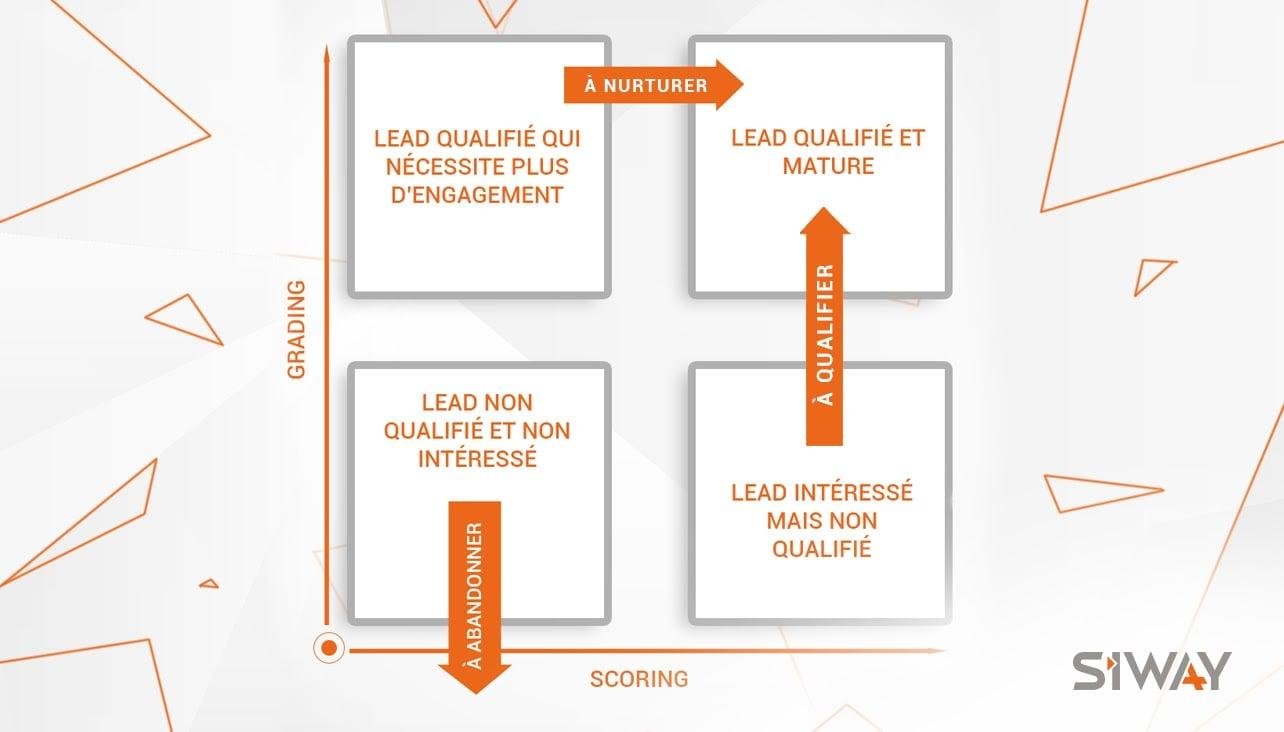
Lead scoring is a technique that allows you to assign a score to each potential customer according to their degree of interest and closeness to purchase. This helps you to quickly identify which are your most valuable prospects and where you should focus your commercial efforts and resources.
The main objectives of lead scoring are:
- Optimize your time: focus on the leads most likely to become customers.
- Improve your conversion rate: personalize your messages and offers based on the specific behavior and interests of each lead.
- Align marketing and sales: establish clear and shared criteria to determine when a lead is ready to be contacted by the sales team.
In short, the proper use of lead scoring will allow you to make smarter decisions, increase the efficiency of lead acquisition and significantly improve the return on your digital marketing investment.
Key criteria for evaluating and scoring lead quality
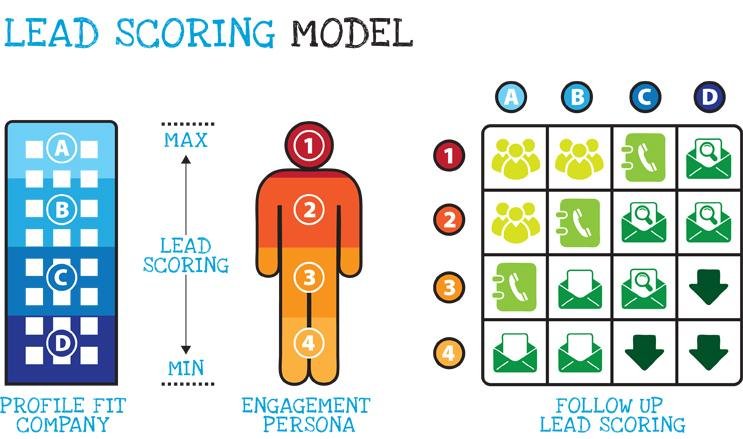
To ensure that your lead acquisition strategy is effective, it is essential to properly evaluate and score the quality of each contact. To do this, you should consider clear and relevant criteria that allow you to differentiate the most valuable prospects from those less ready to buy.
Some key criteria you can use to evaluate your leads are:
- Demographic profile: professional sector, geographic location, company size.
- Level of interaction: frequency of visits to the site, resource downloads, participation in webinars.
- Purchase behavior: history of previous purchases, available budget, interest shown in specific products.
Below is a simple example of how you might score these criteria:
| Criteria | High Score (10 points) | Medium Score (5 points) | Low Score (1 point) |
|---|---|---|---|
| Professional sector | High affinity | Moderate affinity | Low affinity |
| Web interaction | High frequency | Moderate frequency | Low frequency |
| Budget available | Confirmed high | Estimated moderate | Not specified |
Recommended tools and technologies to implement an effective lead scoring system
To obtain effective results with your lead scoring system, it is essential to choose technologies that facilitate automation, tracking and data management. There are several accessible and easy-to-use tools that will allow you to implement an efficient system without the need for advanced technical skills.
Among the most recommended tools are the following:
- HubSpot: Ideal for beginners, it allows you to automate processes and assign scores based on user interaction with your website and emails.
- ActiveCampaign: Intuitive and powerful tool that makes it easy to segment contacts, create automated flows and assign scores based on lead behavior and characteristics.
- Mailchimp: An affordable and simple option that offers you basic lead scoring functions, integrated directly into email marketing campaigns.
Depending on your needs and budget, here is a quick comparison to help you choose:
| Tool | Difficulty of Use | Price | Automation |
|---|---|---|---|
| HubSpot | Download | Free version and premium plans | High |
| ActiveCampaign | Media | Affordable plans based on contacts | Very High |
| Mailchimp | Download | Economical with free version | Moderate |
Common lead scoring strategy mistakes and recommendations to avoid them
One of the most common mistakes is to assign scores based solely on superficial interactions, such as email opens or web visits. This can lead you to consider uninterested users as potential customers. To avoid this, include deeper and more meaningful variables in your scoring system, such as:
- Relevant content downloads
- Participation in webinars or online events
- Frequency and quality of interactions with your brand
Another common failure is to use criteria that are too general for all your audiences. Each customer segment has different needs and behaviors, and what indicates interest in one group may be insignificant for another. To improve your accuracy, create customized scoring systems for each buyer persona, adapting factors and weights according to their specific characteristics.
Finally, not periodically reviewing your lead scoring strategy can also hurt your results. The market evolves and your consumers’ behavior is constantly changing, so you should regularly analyze the effectiveness of your system. Set up quarterly reviews to evaluate the performance of your scoring criteria and make adjustments when necessary.
Best practices to continually optimize the lead qualification process
To maximize the effectiveness of your lead scoring process, you need to regularly analyze the results obtained and adjust the variables according to their performance. Use analytical tools such as Google Analytics and specific CRM to evaluate which are the most relevant criteria for the conversion of your leads.
Apply these best practices to keep your system optimized on an ongoing basis:
- Periodic reviews: perform monthly audits to detect patterns and trends in the behavior of your leads.
- Marketing and sales alignment: organize frequent meetings between both teams to validate the criteria used and update the ideal customer profiles (ICP).
- Intelligent automation: leverage automation platforms that dynamically adapt scoring based on real-time user behavior.
Also, consider using A/B testing to evaluate different scoring models and determine which one offers the best results. Remember that continuous optimization is key to increase your conversion rate and improve your return on investment (ROI).
Frequently Asked Questions
What is lead scoring and why is it important for your business?
Lead scoring is a technique that consists of assigning scores to potential customers (leads) based on their interaction with your company and their demographic characteristics, interests or behaviors. This strategy allows you to identify which potential customers are most interested and ready to buy, thus optimizing your sales and marketing efforts.
How can you determine which criteria to use to assign points in your lead scoring strategy?
To establish appropriate criteria, you first need to understand your ideal customer and know what behaviors or characteristics indicate a higher interest or purchase intent. Some common aspects to assign points include interaction on your website, opening and clicking on emails, content downloads, webinar participation, job title, industry, geographic location, among other factors relevant to your business.
What are the main advantages of implementing a lead scoring strategy?
Implementing a lead scoring strategy helps you improve the efficiency of your sales and marketing teams. By better understanding the quality and interest of each lead, your teams can focus their efforts on those contacts that are closest to conversion. This translates into increased close rates, resource savings and an improved overall customer experience.
How can you automate your lead scoring process?
There are platforms specialized in marketing automation and CRM that allow you to perform lead scoring automatically. These tools monitor user interactions with your company in real time, assign scores according to previously defined criteria and notify your sales team when a lead reaches a specific score. This facilitates a more efficient management of potential customers.
How can you keep your lead scoring model updated and optimized?
To maintain the effectiveness of your lead scoring model, it is important to perform periodic reviews. Constantly analyze the results, detect behavioral patterns in converted leads and adjust your criteria based on what you learn. This continuous optimization process will allow you to quickly adapt to changes in consumer behavior and maintain an efficient scoring system aligned with your business objectives.
In conclusion
Now that you know the key lead scoring strategies, you are ready to effectively identify and prioritize your leads. Remember that the key is to tailor these methods to the specific needs of your business.
Start by analyzing your current audience, establish clear criteria and constantly evaluate your results to optimize the process. This way, you will increase your conversions and make the most of every opportunity that comes your way.
If you have questions or need to go deeper into a specific technique, feel free to leave a comment or contact me directly – I’m here to help you take your digital business to the next level!