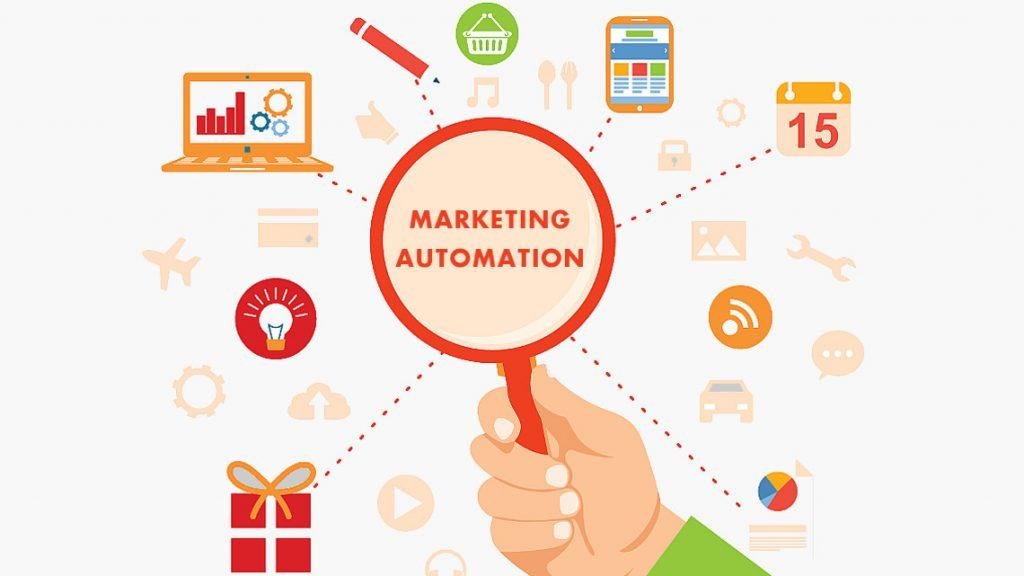
If you’re starting an online business or want to optimize your current company, you’ve probably already noticed that time and resources are limited. Fortunately, marketing automation tools are designed to simplify repetitive tasks, allowing you to focus on what’s most important: growing your project.
In this article you will discover what exactly marketing automation is, how it can help you save time and money, and which tools are the most effective and easy to implement. Even if you have no previous experience, I will show you how to automate your processes to achieve remarkable results with minimal effort. 
Index
- Essential marketing automation tools to optimize processes and reduce costs
- Key criteria for selecting the right automation platform for your business
- Advanced functionalities that increase efficiency in email marketing campaigns
- How to leverage automation to improve content segmentation and personalization
- Practical tips for measuring ROI in marketing automation tools
- Frequently Asked Questions
- Conclusion
Essential marketing automation tools to optimize processes and reduce costs
To optimize your processes and reduce costs in your digital business, it is essential to have effective marketing automation tools. These platforms simplify repetitive tasks, encourage closer communication with your customers and allow you to scale your marketing efforts without the need to increase your team. Among the most prominent options are:
- ActiveCampaign: ideal for automating email marketing campaigns, audience segmentation and customer relationship management (CRM).
- Mailchimp: simple and intuitive, perfect if you are just starting out. It offers customizable templates and automated flows that are easy to implement.
- HubSpot: comprehensive solution that combines marketing automation, sales management and customer service. Very useful for small and medium-sized growing companies.
- Zapier: connects different applications to work together, automating routine tasks and saving you valuable time.
By implementing these tools, you will be able to significantly reduce the time spent on repetitive tasks, reduce human errors and focus on strategic activities that really add value to your business. Remember to choose the one that best suits your current and future needs, taking into account factors such as ease of use, scalability and available budget. 
Key criteria for selecting the right automation platform for your business
When choosing an automation platform for your business, you need to be clear about some essential aspects that will help you make the right decision. First, analyze the ease of use: an intuitive and simple tool will allow you to take full advantage of its functions without the need for advanced technical knowledge. It is also crucial to evaluate the ability to integrate with other applications you already use, such as your CRM, email marketing tools or e-commerce platforms.
Also, carefully review the functionalities offered by each tool and make sure they fit your specific objectives. Some key examples are:
- Email marketing automation
- Advanced audience targeting
- Real-time analysis and reporting
- Automated management of social media campaigns
Finally, don’t forget to consider the cost-benefit. Compare different options based on price, features offered and technical support provided. The ideal platform will be the one that combines flexibility, scalability and value for money, allowing you to grow without complications or unnecessary expenses.
Advanced functionalities that increase efficiency in email marketing campaigns
Today’s email marketing platforms integrate advanced features that allow you to personalize and optimize your campaigns with precision. One of them is dynamic segmentation based on user behaviors, such as opens, clicks or previous purchases. This helps you send more relevant messages, significantly increasing your open and conversion rates.
Another key functionality is automation through conditional flows, which allow you to create customized sequences based on the specific actions of each user. For example, you can set up automations that:
- Send automatic reminders to those who have not opened a previous email.
- Customize special offers based on products viewed or previous purchases.
- Reactivate inactive users through specific campaigns that encourage their interaction.
In addition, the use of automated A/B testing makes it easy for you to quickly evaluate different elements such as subject lines, email content or call-to-action buttons. With these tests you can easily identify which version generates better results, continuously optimizing your strategies and maximizing the ROI of your campaigns.
How to leverage automation to improve content segmentation and personalization
The key to standing out in today’s digital world is to offer relevant and personalized content to each user. Using advanced automation tools, you can collect valuable data about your visitors’ interests, behaviors and preferences to deliver messages automatically tailored to their needs.
To achieve effective segmentation and accurate personalization, automation tools offer you functionalities such as:
- Automatic behavioral tracking: records and analyzes the actions of your visitors to assign them specific tags or segments.
- Personalized email marketing: send messages tailored to the user’s previous interaction with your website, products or campaigns.
- Dynamic content creation: automatically displays texts, offers or images adapted to each type of audience.
For example, you can use platforms such as ActiveCampaign, HubSpot or Mailchimp to create automated email marketing flows according to specific segments. Below is a simple comparison table of these tools:
| Tool | Difficulty | Segmentation | Customization | Initial cost |
|---|---|---|---|---|
| ActiveCampaign | Media | High | High | 29/month |
| HubSpot | Low | High | Sign up | Free (basic plan) |
| Mailchimp | Low | Medium | Medium | Free (up to 500 contacts) |
By automating these processes, you will save time, optimize resources and significantly improve the user experience, thus increasing your conversion and loyalty rates.
Practical tips for measuring ROI in marketing automation tools
To check if you are really getting positive results with your automation tools, you should focus on concrete indicators. The key is to measure relevant metrics such as:
- Conversion rate: How many users become customers after implementing automated campaigns?
- Cost per acquisition (CPA): Has the cost of acquiring new customers been reduced since you started using these tools?
- Time saved: How many hours per week have you freed up by automating repetitive tasks and how do you value these savings in money?
To facilitate this analysis, create a simple table and update the data monthly. Here is a practical example that you can adapt to your business:
| Metrics | Before automating | After automation |
|---|---|---|
| Conversion rate | 1,5% | 3,2% |
| Cost per acquisition | 25€ | 12€ |
| Weekly time invested | 15 hours | 3 hours |
By periodically reviewing this data you will be able to make better decisions about which tools to keep, which to optimize and which to discard. Remember that measuring is the first step to improve and make your investment profitable.
Frequently Asked Questions
What is marketing automation and how can it help you optimize your time and resources?
Marketing automation consists of using software and digital tools that allow you to perform repetitive and complex tasks automatically. These solutions help you manage campaigns, segment audiences, schedule publications and analyze results more efficiently, saving you time and money.
What are the main advantages of implementing automation tools in your marketing strategy?
By automating recurring tasks, you can increase your productivity, reduce human errors and focus your attention on more strategic activities. In addition, these tools allow you to improve the segmentation and personalization of your messages, thus increasing the relevance and effectiveness of your campaigns.
How can marketing automation help you reduce costs?
By optimizing marketing processes with automated tools, you reduce the need to hire additional staff for repetitive tasks. In addition, by improving the accuracy and effectiveness of your campaigns, you get a higher return on investment (ROI), making the most of your budget.
What kind of tasks can you automate with these tools?
Among the tasks you can automate are sending mass or personalized emails, lead management and nurturing, lead tracking, scheduling social media posts, audience segmentation and automatic generation of analytical reports.
Do you need advanced technical knowledge to use marketing automation tools?
Not necessarily. Today there are intuitive and easy-to-use platforms that do not require advanced technical knowledge. Many offer visual interfaces, step-by-step guides and user support, allowing you to take advantage of their functionalities even without previous experience.
How to choose the best marketing automation tool for your business?
To select the most suitable tool, you should consider factors such as the size of your company, your specific objectives, the available budget and the functionalities you really need. It is advisable to try free or demo versions before deciding on a specific solution.
Is it profitable to invest in marketing automation tools for small and medium-sized companies?
Yes, automation tools can be especially beneficial for small and medium-sized companies, as they allow you to optimize resources and compete effectively with large brands. By automating processes, you will improve operational efficiency and get better results without the need for large investments.
Conclusion
Now that you know the key tools to automate your digital marketing, the only thing left to do is to take the first step. Remember that the main goal is to simplify your daily work, optimize your resources and achieve better results in less time.
You don’t need to be a technology expert to benefit from marketing automation. Many of these platforms are intuitive, easy to implement and have support to help you every step of the way.
Start by clearly defining your goals, try different tools and find the one that best suits your needs. The sooner you automate repetitive processes, the sooner you can focus on what really matters: growing your online business.