If you have an online store or are thinking of creating one, you are probably looking for effective ways to increase your sales and increase the average value of each order. Upselling and cross-selling strategies are essential techniques that can help you achieve this by offering your customers related or superior products that improve their shopping experience and increase your profitability.
In this article you will discover how to implement these practices in your e-commerce in a simple way, without the need for advanced technical knowledge. You will learn practical examples, useful tips and common mistakes to avoid so that you can start making the most of the potential of your current customers. 
Index
- Introduction to upselling and cross-selling techniques in ecommerce
- How to identify opportunities to upsell effectively
- Key strategies to implement cross-selling and increase the average shopping cart
- Recommended technological tools to optimize upselling and cross-selling
- Best practices and common mistakes when developing upselling and cross-selling campaigns
- Frequently Asked Questions
- Conclusion
Introduction to upselling and cross-selling techniques in ecommerce
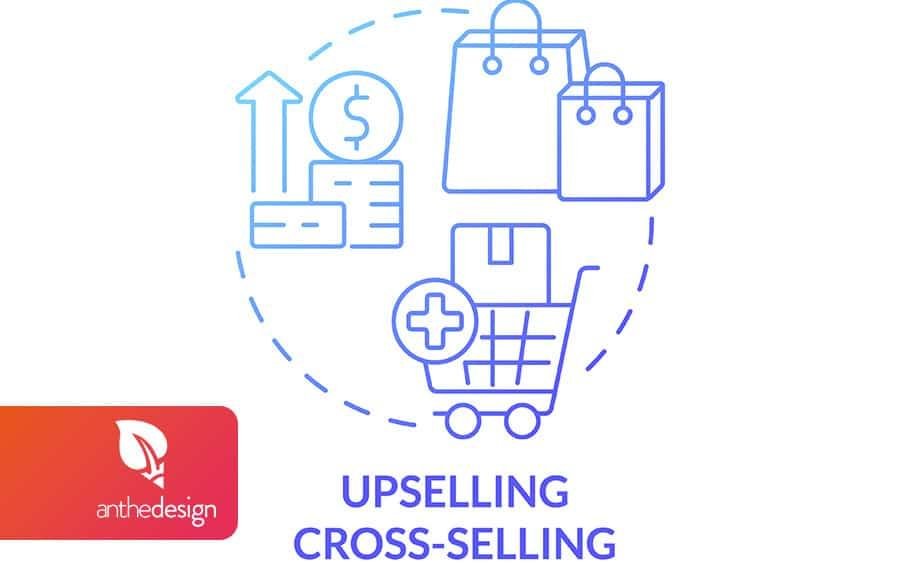
To boost sales in your online store, it is key to master two fundamental techniques: upselling and cross-selling. Upselling consists of suggesting to the customer a similar product but of higher value or quality. For example, if you sell laptops, you can show options with better technical features just before finalizing the purchase.
On the other hand, cross-selling seeks to offer complementary products that add value to the customer’s initial purchase. If someone buys a camera, you could suggest accessories such as cases, tripods or memory cards. Some effective ways to implement these techniques in your ecommerce are:
- Display automated recommendations based on customer purchase history.
- Create packs or bundles of complementary products at an attractive price.
- Offer special discounts when purchasing additional related products.
By applying these strategies correctly, you will not only increase the average shopping cart value, but also improve the user experience, making it easier for the customer to find relevant products that meet their needs.
How to identify opportunities to upsell effectively
To detect effective upselling opportunities, you must first understand your customers’ needs and expectations. Analyze their past buying patterns and use web analytics tools to discover which complementary or superior products might interest them. Some key signals that indicate good opportunities are:
- Best-selling products: items that already generate interest can serve as a starting point for offering premium or upgraded versions.
- Browsing behavior: if your customers visit specific product pages or consult advanced features, you can suggest related top models.
- Comments and reviews: pay attention to what customers value or miss, so you can recommend more complete options that meet their expectations.
In addition, use the table below as a reference to quickly identify opportunities by product type:
| Product type | Upselling opportunity |
|---|---|
| Technology | Versions with more capacity or advanced features |
| Fashion | Premium quality or limited edition |
| Digital Services | Superior plans with personalized support |
Remember that the objective of upselling is to provide real value to your customers, improving their experience and increasing their satisfaction. Never approach it only in terms of immediate economic benefit, but as a strategy to build loyalty and consolidate lasting relationships with your customers.
Key strategies to implement cross-selling and increase the average shopping cart
An effective way to boost your sales through cross-selling is to offer complementary products just before finalizing the purchase. For example, if you sell digital cameras, suggest accessories such as memory cards, tripods or cases. To do this successfully, follow these key recommendations:
- Intelligent personalization: Use tools that analyze previous customer behavior to offer relevant recommendations.
- Attractive offers: Provide special discounts when the customer buys related products together.
- Prominent visibility: Clearly displays additional product suggestions on the cart page or during checkout.
In addition, take advantage of visual techniques such as eye-catching banners or persuasive phrases like “Other customers also bought…” to capture even more attention. Remember that the easier you make it for the customer to discover related products, the more likely you are to increase the average value of each order.
Recommended technological tools to optimize upselling and cross-selling
To take your upselling and cross-selling strategies to the next level, it is key to rely on specific technological tools that allow you to automate and optimize these processes. There are several solutions that you can easily integrate into your online store, without the need for prior technical knowledge.
Some of the most recommended tools are:
- Recom.ai: advanced application for Shopify that generates automatic recommendations based on customer behavior and related products.
- YITH WooCommerce Frequently Bought Together: plugin for WooCommerce that makes it easy to display complementary products to increase the average order value.
- OptiMonk: platform specialized in pop-ups and personalized messages that activate upselling or cross-selling offers at key moments of the purchase process.
In addition, monitoring the performance of your strategies is essential. To do so, tools such as Google Analytics or Hotjar allow you to analyze how users interact with your recommendations, identify opportunities for improvement and continuously optimize your campaigns.
Best practices and common mistakes when developing upselling and cross-selling campaigns
When implementing upselling and cross-selling campaigns, there are best practices that significantly increase your chances of success. Among them are:
- Data-driven personalization: Uses the customer’s shopping and browsing history to offer relevant related and complementary products.
- Clarity in the proposal: Communicate clearly the added value of the suggested product or service, avoiding confusing or saturating the user.
- Timing: Present the offer at the right time in the buying process or immediately after completion.
On the other hand, some common mistakes you should avoid are:
- Offering too many options: Too many suggested products can lead to indecision or frustration, reducing the conversion rate.
- Ignoring relevance: Recommending unrelated products or products with no clear connection to the original purchase diminishes the trust and credibility of your online store.
- Being aggressive in communication: An overly insistent or invasive approach can generate rejection and negatively affect the perception of your brand.
Frequently Asked Questions
What are upselling and cross-selling in ecommerce?
Upselling consists of offering the customer a product or service similar to the one he has already chosen, but of greater value or with better features, seeking to increase the profitability of the purchase. On the other hand, cross-selling involves offering complementary products related to the item the customer is purchasing, in order to increase the total value of the shopping cart.
What are the main advantages of implementing upselling and cross-selling strategies in your online store?
By implementing these strategies, you can increase the average value per purchase, improve the profitability of each sale and maximize customer satisfaction by offering products that complement or enhance their initial choice. In addition, you increase loyalty by showing an interest in fully satisfying customer needs.
How can you identify effective upselling or cross-selling opportunities?
It is essential to analyze the behavior and preferences of your customers through historical data on purchases, navigation or previous interactions on your website. With this information, you can identify patterns that allow you to offer additional or superior products that are appropriate and relevant to each specific user.
What tools or techniques can help you apply upselling and cross-selling in your ecommerce?
You can use technological tools such as automated recommendation systems, artificial intelligence or specific plugins for your ecommerce platform. Likewise, techniques such as grouping related products, special discounts for joint purchases or personalized suggestions based on the history of each user can also improve results.
What are the most frequent mistakes to avoid when applying these strategies?
Some common mistakes are offering irrelevant or overpriced products compared to the initial product, saturating the customer with too many cross-sell or up-sell options, or presenting these offers in an aggressive or invasive manner. Avoid these practices and focus on offering useful, relevant and moderate recommendations that really bring value to the customer.
How can you measure the effectiveness of upselling and cross-selling strategies in your online store?
To evaluate its effectiveness, consider key indicators such as increase in average order value, conversion rate of additional offers, customer satisfaction, loyalty level, or even reduction in cart abandonment rate. These metrics will help you to continually adjust and improve your strategies.
Conclusion
Now that you know the essential upselling and cross-selling techniques in ecommerce, it’s time to put them into practice. Remember that these strategies not only increase your sales, but also improve the customer experience, generating more lasting and profitable relationships.
Start implementing small changes and regularly evaluate the results obtained. Always listen to your customers, adapt your offers according to their needs, and you will see how your online store grows steadily.
If you have any questions or need additional help, feel free to leave a comment or contact me, I’m here to help you take your ecommerce to the next level!